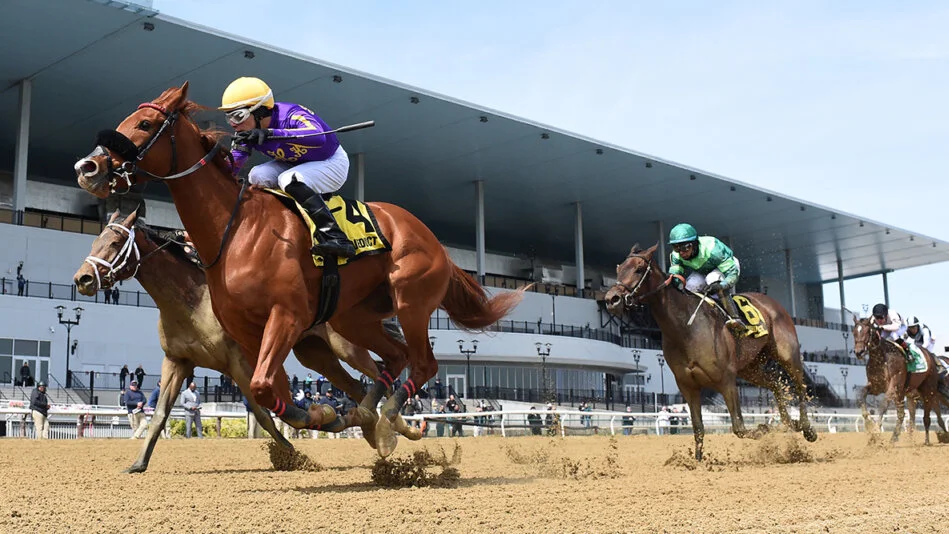
The journey to the first Saturday in May presents an unparalleled challenge in Thoroughbred racing, transforming juvenile promise into true classic stamina. We track the development of the finest three-year-olds as they navigate the rigorous points system that determines the field. Finding value in the volatile Kentucky Derby futures market requires deep knowledge of the specific tracks and races these horses use as proving grounds. We dissect the crucial tracks forming the 2026 prep map, empowering you to identify the next champion before the Kentucky Derby odds solidify.

Churchill Downs, home of the Kentucky Derby itself, hosts two of the earliest and most telling prep races in the autumn. The Iroquois Stakes (G3) and the Kentucky Jockey Club Stakes (G2) each offer the initial 10-5-3-2-1 points, forcing top stables to test their top two-year-olds at route distances. These races serve not only as point-getters but also as crucial surface compatibility tests; a colt that handles the Louisville dirt in November often finds success there five months later. For example, history shows us the importance of the Kentucky Jockey Club Stakes, which consistently propels strong performers, like Super Saver, toward future Triple Crown contention, providing astute bettors with early insights for their Kentucky Derby betting.
The New York circuit demands exceptional toughness and winter resilience from its hopefuls, starting with the Remsen Stakes (G2) in December and continuing through the Jerome Stakes and the Withers Stakes (G3) in the heart of winter. These New York races traditionally award 10 to 20 points, but the real prize remains the final qualifier: the Wood Memorial Stakes (G2).
This 100-50-25-15-10 point race demands a mile and one-eighth effort and historically produced many Triple Crown winners, though its recent influence waned due to shifting schedules. We look for horses showing true grit and sustained pace over the demanding, deeper track, recognizing that those who conquer the challenging Aqueduct conditions frequently become reliable Kentucky Derby contenders when the spring rolls around.
Santa Anita Park delivers a potent combination of high-class competition and blazing fast times, establishing itself as a consistent producer of Derby talent. Races like the San Felipe Stakes (G2) and the signature Santa Anita Derby (G1) provide ample points (50 and 100, respectively) and showcase horses bred for speed. California-based runners often possess superior tactical speed, a valuable asset in the chaotic 20-horse field.
We closely observe trainers like Bob Baffert (though his runners often face restrictions on point earning), who routinely send out sharp, mature horses that dominate the West Coast path. When you bet on Kentucky Derby horses from this circuit, you are backing proven speed and competitive experience at the highest level.
The New Orleans track offers arguably the most grueling and stamina-building path on the prep map, forcing horses to stretch out their distance capabilities earlier than most other circuits. The three primary stops, the Lecomte Stakes (G3), the Risen Star Stakes (G2), and the Louisiana Derby (G2), increase in distance and points, culminating in the 100-point Louisiana Derby at a demanding 1 3/16 miles.
This longer final distance ensures that only genuine routers succeed, a necessary trait for the 1 1/4-mile distance at Churchill. The Risen Star, notably, provides a 50-25-15-10-5 point jump, making it a critical mid-February target for those wishing to climb the Kentucky Derby leaderboard. Handicappers pay close attention to colts who finish strongly down the Fair Grounds’ exceptionally long stretch, confirming their ability to stay the demanding classic distance.
Oaklawn Park in Hot Springs, Arkansas, has risen dramatically in stature over the last two decades, now rivaling Florida and California in influence and prize money. The four-race series, Smarty Jones, Southwest Stakes (G3), Rebel Stakes (G2), and the massive Arkansas Derby (G1), attracts shippers from every major barn. The Arkansas Derby, one of the final 100-point races, consistently churns out Derby winners and placers; recent success stories underscore the quality of competition here. The $1.25 million purse of the Rebel Stakes (50 points) guarantees a fiercely competitive field, offering incredible value to bettors looking for top Kentucky Derby contenders. We analyze the consistency of horses running multiple times at Oaklawn, as acclimation to the surface proves highly beneficial.
No single prep race boasts more historical significance for the Kentucky Derby than the Florida Derby (G1) at Gulfstream Park. The South Florida circuit, featuring the Holy Bull Stakes (G3) and the Fountain of Youth Stakes (G2), establishes the early favorites and delivers critical points. The Florida Derby itself, a 100-point event run at 1 1/8 miles, has produced an astonishing 25 Kentucky Derby winners, including seven in the 21st century. The fast Gulfstream surface favors speed and tactical position, providing a severe test of class. Horses who run well here, like Mage and many others, demonstrate the fitness and maturity required for the Derby. Analyzing the performance in these key Kentucky Derby prep races gives us unparalleled insight into a horse’s true ceiling.
Quick Tip: Before you check the upcoming information, boost your bankroll with the top new-player bonus.

The entire season is structured around securing a top-20 position on the Kentucky Derby leaderboard, a quest that intensifies dramatically during the Championship Series. The points scale operates in a tiered fashion: early prep races offered 10 points to the winner, escalating to 20-10-6-4-2 in mid-winter events like the Lecomte or Holy Bull.
Then, races like the Risen Star and Fountain of Youth step up to a 50-25-15-10-5 split. The real game-changers are the six races offering 100-50-25-15-10 points to the top five finishers: the Florida Derby, Santa Anita Derby, Arkansas Derby, Wood Memorial, Blue Grass Stakes, and Louisiana Derby. Winning one of these effectively guarantees entry into the field, shifting the focus from qualification to classic performance.
While the American Road dominates, we must recognize the importance of the separate paths provided for international shippers. The Japan Road and the European/Middle East Road reserve spots for their respective top point earners, adding layers of complexity to the overall Kentucky Derby contenders' picture.
Races like the UAE Derby (G2) at Meydan, which offers 100 points, routinely influence the final field, though distance and surface changes often challenge the international runners. However, their inclusion offers fantastic value in early Kentucky Derby odds, as they usually fly under the radar until late March. We encourage sharp players to monitor these external roads for high-risk, high-reward opportunities.
Serious handicappers focus intently on how horses finish their prep races, utilizing advanced metrics like late pace figures to project their performance at the Derby’s challenging distance. A horse consistently logging triple-digit late pace ratings in its final two preps, regardless of whether it wins or places, demonstrates the closing kick necessary to navigate the crowded Churchill Downs stretch run.
You now possess the insider map to the 2026 Road to the Kentucky Derby, recognizing that each track serves a distinct purpose in forging a contender. We have moved past the initial 10-point races and stand at the threshold of the 50- and 100-point championship qualifiers, where the Kentucky Derby futures market heats up exponentially.
Do not leave your handicapping success to chance; the time to capitalize on favorable Kentucky Derby odds is now, before the final major preps eliminate the generous prices. We deliver continuous, sharp analysis and the most accurate point standings, giving you a tangible edge over the public. Sign up today for our exclusive wagering guide and immediately access our predicted Kentucky Derby leaderboard, positioning yourself perfectly to bet on Kentucky Derby winners with confidence.

The writing team at US Racing is comprised of both full-time and part-time contributors with expertise in various aspects of the Sport of Kings.