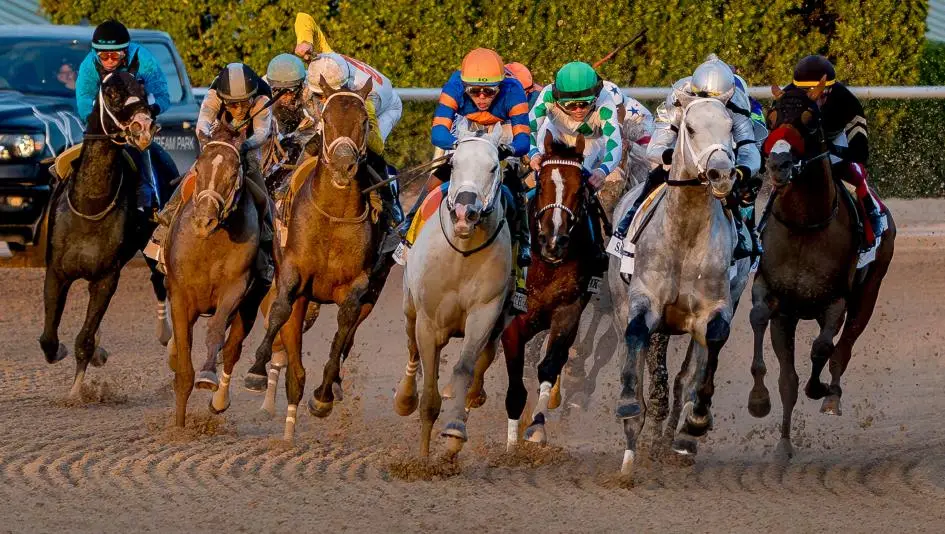
The 2026 Paradigm Shift in South Florida Racing
The horse racing landscape undergoes a seismic transformation in 2026 as the Pegasus World Cup Invitational officially joins the Breeders’ Cup Challenge Series. This partnership grants the winner an automatic, fees-paid berth into the $7 million Breeders’ Cup Classic. This "Win and You’re In" status changes everything for bettors looking at Pegasus World Cup Odds. Previously, the January showpiece at Gulfstream Park served as either a grand finale for retiring stars or a lucrative standalone target. Now, it acts as the primary gateway to the championships in November. This shift forces trainers to re-evaluate how they prepare their elite dirt runners for a campaign that must now span ten months of high-intensity competition.
Trainers Alter the Peaking Blueprint
Elite conditioners like Brad Cox and Todd Pletcher face a new tactical dilemma with their stable stars. In previous years, a trainer might "crank up" a horse to its absolute physical peak for the $3 million Pegasus purse, knowing a long rest followed the race. Today, the "Win and You’re In" incentive encourages a more measured approach. If a horse like Disco Time or Captain Cook secures that early berth, the trainer gains the luxury of "tapering" the horse’s mid-summer schedule. When you analyze Pegasus World Cup betting markets, you must identify which horses arrive at 100% fitness and which ones carry "foundation" weight for a long-term campaign.
Brad Cox and the Undefeated Strategy
Brad Cox enters the 2026 Pegasus with the morning-line favorite, Disco Time. The undefeated colt represents the new era of training for the long haul. Cox has a history of precision with "Win, and You’re In" targets, having mastered the path with champions like Knicks Go. For the 2026 cycle, Cox appears to be using a "high-floor" fitness model. He brings Disco Time into the race with enough speed to win but leaves enough "bottom" in the horse to ensure he doesn't peak too early in the calendar. Sharp bettors looking at Pegasus World Cup Odds see a horse that can win on class alone while effectively starting a countdown to the Breeders’ Cup Classic.
Todd Pletcher’s Tactical Tapering
Todd Pletcher remains the master of the Gulfstream Park winter meet, yet his approach to the Pegasus has evolved with the new Breeders’ Cup integration. Pletcher often uses the "freshness" angle, but the 2026 stakes require a horse to handle Florida's humidity and still have legs for the fall. His entry, Captain Cook, shows a pattern of steady, maintenance-style workouts rather than the blistering "bullet" works seen in his younger years. This suggests Pletcher is training for a "sustained peak." If you want to bet on Pegasus World Cup today, you must decide if this "marathon" training style offers better value than a sprinter-type conditioner who is purely focused on the January purse.
Analyzing Fitness vs. Intent
The "Win and You’re In" era introduces "intent" as a primary handicapping factor. Professional analysts now ask: Is the trainer sending this horse to the lead to win at all costs, or is this a "prep" disguised as a Grade 1? When a horse secures a Classic spot in January, the owner saves $150,000 in entry fees. This financial incentive is massive. However, it also means the horse might not see another maximum-effort race until late summer. This affects the Pegasus World Cup betting value because the "all-out" runners (those not necessarily eyeing the Classic) might actually offer more "win-now" reliability than the superstars who are simply starting their engines.
The Impact on Speed Figures and Bounces
Horse racing fans often worry about the "bounce" factor (a regression in performance following a career-best effort). With the Breeders’ Cup berth on the line, the risk of a "bounce" later in the year increases if a horse exerts too much energy in January. Bettors should scrutinize the Pegasus World Cup Odds for horses that have shown they can handle multiple peaks in a single season. White Abarrio, the defending champion, is a prime example of a horse that thrives at Gulfstream but has struggled with consistency across different venues. His odds reflect his "home-field" advantage, but his "Win and You’re In" aspirations might be secondary to his love for this specific dirt surface.
Middle-Gate Value in a Crowded Field
The 1 1/8-mile configuration at Gulfstream Park is notoriously difficult for those drawn in the far outside posts. However, the new strategic era makes the "middle-gate" horses like Tappan Street even more attractive. Trainers who want to secure a Breeders’ Cup spot without destroying their horse’s morale will instruct jockeys to find a "tactical stalking" position. This allows the horse to run a competitive, efficient race without the lung-burning stress of a front-running duel. When examining Pegasus World Cup betting opportunities, look for horses that can tuck in behind the speed, as this is the most likely "tapering" trip for a horse intended for a long season.
Comparing Past Champions to the New Guard
Historically, six of the first nine Pegasus winners went on to win a Breeders’ Cup race at some point in their careers. Giants like Arrogate, Gun Runner, and Knicks Go set the standard. But those horses often peaked in the fall and used the Pegasus as a "victory lap" or a season-starter after they were already established. The 2026 crop is different; they are chasing the qualification. This creates a more aggressive environment in the early stages of the race. If you bet on Pegasus World Cup today, realize that you are wagering on a different psychological profile of horse and trainer than we saw in 2017 or 2018.
The Role of Local Dominance at Gulfstream
Saffie Joseph Jr. remains the king of the local circuit, and his training philosophy is the antithesis of the "shipping warrior" model. He keeps his horses, like Skippylongstocking, in the familiar Florida heat year-round. While others are "peaking" for a qualifying spot, Joseph’s horses are simply "at home." This local comfort often offsets the strategic tapering of the big-name Kentucky trainers. When the Pegasus World Cup Odds for a local horse are higher than the "celebrity" invaders, the value almost always lies with the horse that hasn't spent the last 48 hours in a shipping van.
Evaluating the Long-Shot Perspective
Does a long shot benefit from the "Win and You’re In" status? Absolutely. For a smaller barn, the Pegasus is the only chance to punch a ticket to the big dance without having to face the elite again in the summer. This means horses like Poster or Mika will likely be ridden with much more aggression than the favorites. They are "training to win in January" because there is no "long season" if they don't succeed here. This creates a fascinating dynamic for Pegasus World Cup betting: the favorites are training for November, but the long shots are training for today.
Seize the Value in the New Era
The 2026 Pegasus World Cup is no longer just a high-stakes sprint for cash; it is the tactical opening gambit of the Breeders’ Cup season. By understanding how trainers like Brad Cox and Todd Pletcher manage their "peaking" cycles, you can identify which favorites are vulnerable and which long shots are ready to explode. Don't let the star power blind you; analyze the intent behind the training.
The gates are ready to crash open, and the first ticket to the Breeders’ Cup Classic is on the line. Stop watching from the sidelines and start winning! Stay tuned to US Racing to access our exclusive betting insights, real-time track updates, and the most accurate analysis in the industry. Your journey to the Breeders’ Cup begins at the betting window. Place your wagers today and cash in on the "Win, and You’re In" revolution!
The writing team at US Racing is comprised of both full-time and part-time contributors with expertise in various aspects of the Sport of Kings.