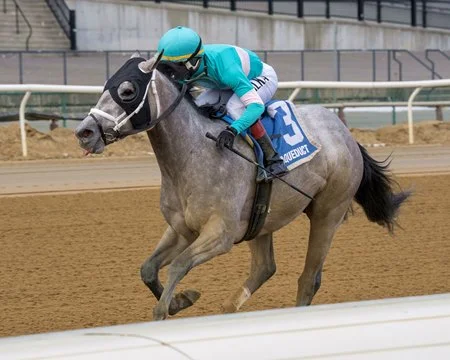
In Kentucky Derby betting, tradition has always been simple. Run early, run often, stack points, stay visible. January preps were treated like mandatory homework for any colt with Triple Crown dreams. Miss them, and the narrative writes itself: behind schedule, not serious, probably overrated. That logic is quietly dying.

Across recent Derby cycles, elite trainers and top-tier owners have started treating January not as a proving ground, but as a recovery window. The result is a growing group of highly talented colts sitting near the top of future books while doing absolutely nothing on the racetrack. And somehow, that inactivity keeps turning into value.
This shift is not random. It is strategic, medical, and very exploitable for bettors who understand market psychology.
January Kentucky Derby prep races are often sold as stepping stones. In reality, many of them function as stress tests on immature bodies that have already logged demanding two-year-old campaigns.
Modern trainers understand something gamblers often ignore: a race does not build fitness in young horses as efficiently as controlled training does. Racing adds variables trainers cannot fully manage: pace pressure, kickback, traffic, and stress-induced lung strain.
When a colt runs every three weeks through January and February, the margin for error shrinks fast. By March, some are already flat. By April, others are managing minor setbacks that never make the headlines. And by the first Saturday in May, many of them are simply cooked.
This trend is most visible among high-end conditioners like Todd Pletcher, who have repeatedly shown that you do not need a January resume to win in May. His approach prioritizes controlled development, spacing, and late progression rather than early volume.
Instead of chasing points early, these barns target one or two well-spaced preps later in the spring. The goal is simple: arrive at Churchill Downs with a horse still improving, not surviving.
This is where Colts like Ted Noffey, the current points leader despite limited early exposure, become fascinating case studies. His absence from January racing is not a red flag. It is the strategy itself.
From a Kentucky Derby betting perspective, January creates one of the most reliable pricing errors of the season. Here is how it plays out: The betting public loves activity. Horses that show up every few weeks feel honest, tough, and dependable. These “blue collar” types grind through prep races, stack minor points, and remain visible.
Meanwhile, the “hype horses” vanish. No races since November. No flashy headlines. No speed figures to update. Futures drift. This creates a psychological imbalance. Bettors overvalue recent effort and undervalue long-term ceiling. They assume inactivity equals stagnation, even when the opposite is often true.
By the time March arrives, these fresh colts reappear in major preps, often at prices that no longer reflect their actual ability. Futures bettors who understood the January pause already locked in numbers that never come back.
One of the least discussed factors in Kentucky Derby odds is respiratory stress. Young horses pushed hard too early are more susceptible to lung bleeding, a condition that can quietly compromise performance long before it becomes public.
January racing increases that risk. Cold air, repeated exertion, and short recovery cycles add up fast. Even when bleeding does not occur, cumulative fatigue shows up as dull finishes, slower recovery, and reduced late kick. Burnout rarely announces itself with a headline injury. It shows up as a horse that stops progressing.
Fresh horses, by contrast, often make their biggest developmental leap between February and April. They train stronger, recover faster, and peak later. That curve matters when the target is 10 furlongs against the deepest field of the year.
For bettors targeting the 2026 Kentucky Derby, this trend reshapes how futures should be approached. January is no longer about identifying who is running. It is about identifying who is being protected.
When a high-quality colt is intentionally held out of early preps by a top barn, that absence is information. It suggests confidence, not concern. Trainers do not hide horses they doubt. Futures markets, however, still price inactivity as uncertainty. That gap is where value lives.
Instead of chasing January winners at short prices, smarter bettors monitor which elite colts remain unraced but firmly on schedule. Those are the ones whose odds often shorten sharply after a single strong March performance.

The modern Derby trail rewards patience, not mileage. The trainers know it. The horses prove it. The betting public is slowly catching up. Skipping January preps is no longer a sign of weakness. It is a declaration of intent.
For bettors, the edge comes from recognizing freshness before the market does. The next Derby winner is far more likely to be peaking in May than grinding in January. And the best prices are almost always available when nothing seems to be happening at all. In Kentucky Derby betting, sometimes the smartest move is betting on the horse that stayed home.

The writing team at US Racing is comprised of both full-time and part-time contributors with expertise in various aspects of the Sport of Kings.