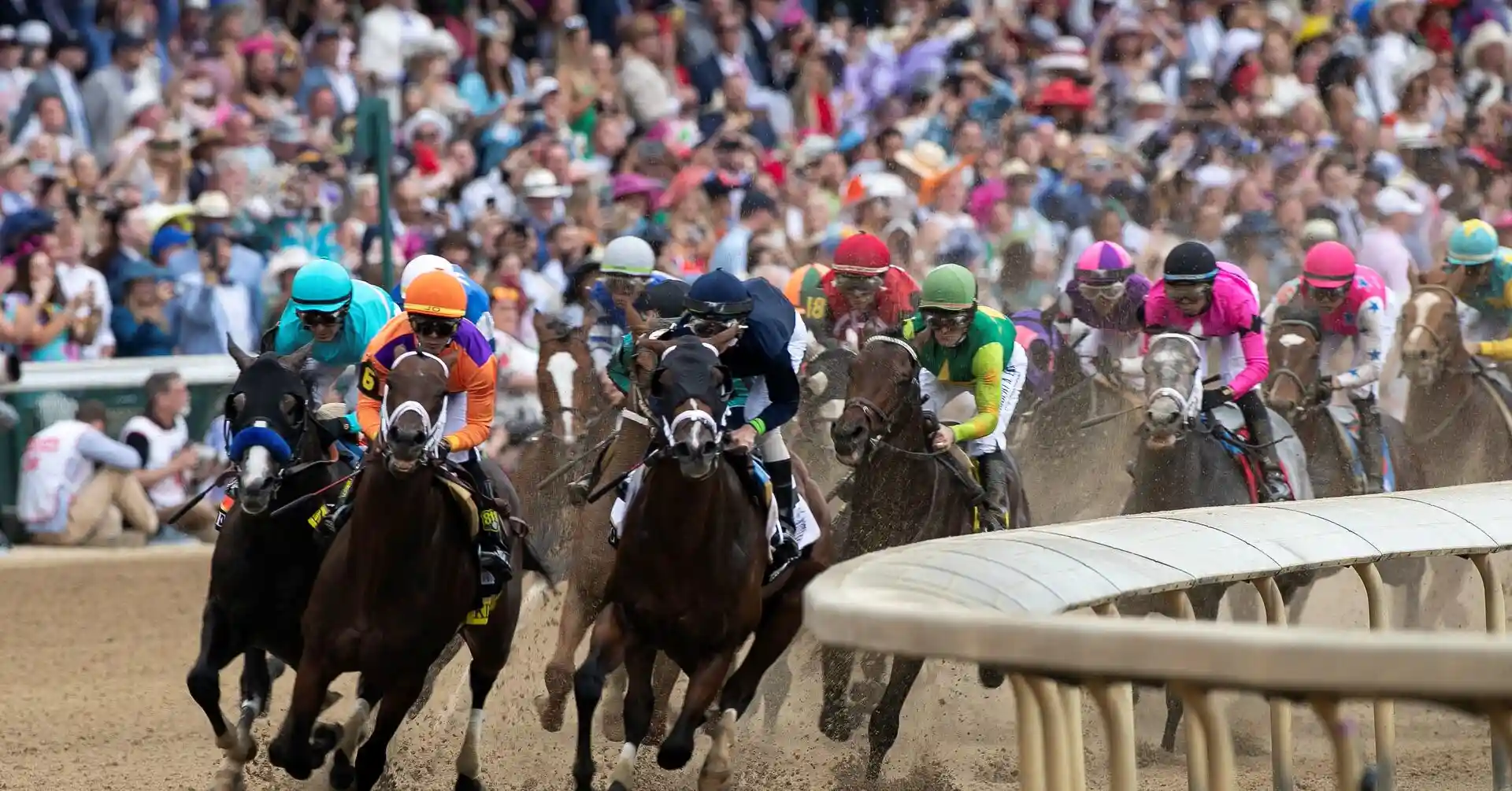
The road to the 152nd Run for the Roses demands more than just raw talent; it requires a calculated progression of athletic performance that culminates on the first Saturday in May. Serious handicappers know that early-season flashes of brilliance often fade, while the true champions build a foundation of escalating velocity. As we analyze the current landscape, we see a shift in the power dynamics of the Kentucky Derby leaderboard based on the most recent speed figure patterns. This review breaks down which Kentucky Derby contenders possess the tactical speed to survive the initial scramble and the late-race efficiency to find the winner’s circle.
Quick Tip: Before you check the upcoming information, boost your bankroll with the top new-player bonus.

Speed figures represent the universal language of horse racing, yet many novice bettors misinterpret the data by looking only at a horse’s highest single number. To succeed in Kentucky Derby betting, you must look for the "ascension pattern", a series of speed ratings that show a horse is getting faster as the distances increase. We currently monitor several colts that began their careers with modest 80-range Beyer or Brisnet figures but have recently jumped into the mid-90s. This upward trajectory often indicates a horse that is maturing physically and mentally at the perfect time.
When you look at the Kentucky Derby prep races from the fall and early winter, you notice that horses winning at shorter distances often struggle when the trail moves to two turns. We prioritize horses that maintain their speed while stretching out.
A horse that runs a 95 speed figure at seven furlongs is impressive, but a horse that runs a 95 at a mile and one-sixteenth is a much more dangerous threat for your Kentucky Derby betting strategy. You should focus your attention on the runners coming out of the Remsen Stakes and the Los Alamitos Futurity, as these races historically produce the high-stamina speed profiles required for Churchill Downs.
Current Kentucky Derby odds reflect the market's obsession with early-season "buzz" horses, but the data tells a different story. For instance, Ted Noffey remains a heavy favorite in most Kentucky Derby futures pools because of his dominant juvenile campaign. However, his speed figures have plateaued near the 100 mark. While consistency is a virtue, the Derby is typically won by a horse that is still reaching its ceiling. In contrast, we see significant upside in runners like Paladin and Further Ado, both of whom have shown the ability to stalk a fast pace and still produce a high-velocity closing kick.
The international contingent also adds complexity to the Kentucky Derby leaderboard.
Luxor Cafe, the current leader of the Japan Road to the Kentucky Derby, has a high cruising speed that could disrupt traditional American pace scenarios. Betting on the Kentucky Derby requires you to account for these "wildcard" speed sources. If a Japanese or European runner can post a triple-digit speed rating on a synthetic or turf surface, their transition to the Churchill Downs dirt often depends on their ability to maintain that efficiency through the high-pressure environment of a 20-horse field.
One of the most common traps in Kentucky Derby betting is the "bounce" phenomenon. This occurs when a young horse exerts a massive effort to win a primary prep race, earning a career-high speed figure, only to regress significantly in their next start. We see this frequently in horses coming off a 10-point jump in their ratings. When you bet on Kentucky Derby trials, you should be wary of the horse that looks too good to be true after a single breakout performance. We prefer the "staircase" model, where a horse moves from 88 to 92 to 96, demonstrating sustainable growth without overtaxing its physical reserves.
Pay close attention to the track surfaces where these speed figures are earned. A 100 speed rating at Gulfstream Park, which often favors front-runners, is not equivalent to a 100 earned over the deeper, more tiring surface at Oaklawn Park or Aqueduct. Smart analysts adjust these numbers based on track variants. If you are tracking Kentucky Derby contenders, look for those who can replicate their speed across different venues. Versatility is often the deciding factor when the gates fly open in Louisville, and the pace is significantly faster than anything these three-year-olds have ever experienced.

While early speed gets a horse into position, "Late Pace" (LP) figures determine who survives the final quarter-mile. Historical data shows that horses with a Brisnet Late Pace rating of 100 or higher in their final prep race have a significantly higher win percentage in the Derby. As you evaluate the Kentucky Derby leaderboard, do not just look at the final time. Break the race down into fractions. A horse that runs the final three furlongs in under 38 seconds after a contested early pace is a prime candidate for a top-tier finish.
We are currently seeing a surplus of "early speed" in the 2026 crop, suggesting a blistering pace. This dynamic favors the "stalker" or "closer" who can maintain a high average speed rather than a single burst. When analyzing Kentucky Derby odds, look for the mid-range prices on horses that rank in the top five for late speed. These are the overlays that provide the most value in exotic bets like the Exacta or Trifecta. Your Kentucky Derby betting success depends on finding these hidden gems before the general public catches on to their finishing power.
The most profitable way to play the speed review is through the Kentucky Derby futures pools. By locking in prices early, you capture the value before a horse wins a primary 100-point prep race and their odds plummet. We recommend watching the speed figures released immediately after each weekend's stakes action. If a horse in the "All Others" category of a futures pool suddenly drops a 98 Beyer, that is your signal to move. The window for 30-1 or 40-1 odds closes quickly once the speed data becomes public knowledge.
Currently, the market is undervalued on several colts training in Florida and California who have had troubled trips but high internal speed numbers. A horse that gets blocked in the stretch but still gallops out faster than the winner is a "speed secret" that the leaderboard won't show. By integrating these advanced metrics into your Kentucky Derby betting routine, you move from a casual observer to a professional-grade handicapper. The data is available; you simply need to filter out the noise and focus on the metrics that actually correlate with winning at 10 furlongs.
The 152nd Kentucky Derby is shaping up to be a tactical masterpiece defined by elite speed and evolving stamina. The horses we have highlighted today are not just fast; they are improving where it counts most. Whether you are following the Kentucky Derby leaderboard or hunting for value in the Kentucky Derby futures, the key is to act before the betting public catches up to the speed trends. Don't let the best prices pass you by while you wait for the mainstream media to pick their favorites.
Now is the time to turn this expert analysis into profit. By being part of the US Racing community, you gain access to real-time speed figure updates, exclusive clocker reports, and the most accurate Kentucky Derby odds available. Our members consistently outperform the track averages by leveraging the same data used by professional syndicates. Join the winner’s circle and secure your betting edge for the most exciting two minutes in sports. Bet on Kentucky Derby markets with the confidence of a specialist. Stay tuned and start building your championship bankroll.

The writing team at US Racing is comprised of both full-time and part-time contributors with expertise in various aspects of the Sport of Kings.