The Psychological Battlefield of Gulfstream Park
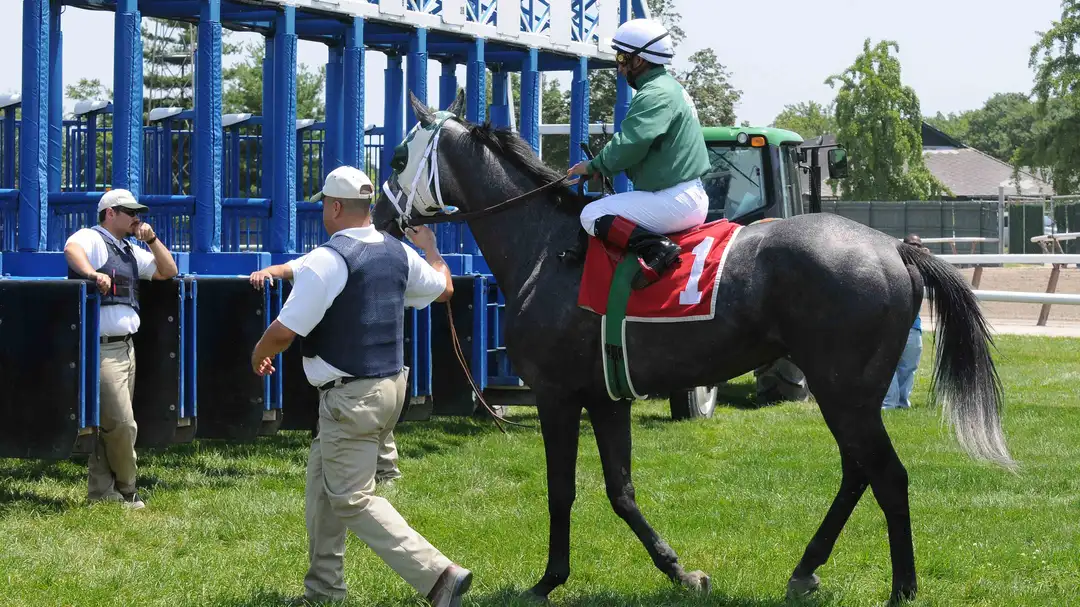
High-stakes horse racing often ignores the most critical variable in the equation: the animal's mental state. While many bettors obsess over speed figures and past performances, the elite professionals focus on the physical signals a horse sends minutes before the gates open. The Pegasus World Cup represents a unique challenge where the heat of Florida meets the intensity of a $3 million purse. This environment creates a pressure cooker that tests even the most seasoned Grade 1 winners. To maximize your returns, you must look beyond the racing form and observe the horse's behavior during walkovers and in the paddock. Understanding these visual cues helps you identify which runners handle the stress and which are already defeated before the race begins.
Decoding the Language of the Paddock
Professional scouts categorize horse behavior into three primary pillars: physical readiness, emotional stability, and focused aggression. When you check the latest Pegasus World Cup Odds, you are seeing the public's perception of talent, not the current reality of the horse standing in front of you. A horse that looks "flat" or disinterested in the paddock rarely finds the extra gear required to win at this level. Conversely, a horse that exhibits a "quiet eye" (a steady, focused gaze without excessive blinking or wandering) indicates a peak neurological state. Experts refer to this as being "in the zone," and it serves as a leading indicator of a horse that will respond instantly to the jockey's commands when the real running starts.
Identifying Pre-Race Washiness and Heat Stress
South Florida’s humidity plays a massive role in Pegasus World Cup betting strategies. "Washiness," or excessive white, foamy sweating between the hind legs and on the neck, signifies significant distress. While a light "glow" of sweat suggests a horse has warmed up its muscles, heavy lathering indicates that the horse is burning precious glycogen reserves through nervous energy.
Historical data from major Gulfstream Park stakes shows that horses appearing significantly "washed out" in the paddock underperform their expected betting value by nearly 22%. If you see a favorite dripping with white foam while his rivals remain dry, it is often the perfect time to pivot your wagers toward a cooler, more composed underdog.
The Significance of the Pinned Ear and Aggressive Posturing
Bettors often mistake aggression for readiness, but the distinction is subtle. A "pinned ear" (where the horse flattens its ears back against its skull) usually signals irritation or pain. However, in a championship environment like the Pegasus World Cup, a horse that shows a "forward ear" or a "cocked ear" while maintaining a purposeful stride shows a high level of competitive interest. If a horse is fighting the pony rider or lunging at handlers, it is wasting the explosive energy needed for the final furlong. You want to see a horse that "covers the ground" with a long, rhythmic stride during the post-parade. This fluid movement suggests the musculoskeletal system is loose and ready for a maximum effort at the mile-and-an-eighth distance.
Analyzing the Dappled Coat and Physical Condition
The quality of a horse's coat provides a direct window into its internal health and fitness level. When scouting for Pegasus World Cup betting opportunities, look for "dapples" (circular patterns in the hair that indicate a high-functioning circulatory system and peak nutrition). A dull, "staring" coat often follows a grueling travel schedule or a hidden illness, suggesting the horse is not at its best. In a race as fast as the Pegasus, even a 2% dip in physical efficiency results in a multi-length defeat. Professionals use the paddock turn to verify that the horse’s "tuck" (the area behind the ribs) is tight but not hollow, signaling that the trainer has peaked the athlete perfectly for this specific date on the calendar.
The Impact of the "Quiet Eye" on Win Percentages
Data analysts have recently begun quantifying behavioral traits, and the "quiet eye" remains the most statistically significant indicator of success. Horses that maintain a steady, forward-facing gaze without showing the "whites of their eyes" (a sign of panic) win at a rate 15% higher than their restless counterparts. This focus allows them to navigate the often chaotic first turn at Gulfstream Park without overreacting to kickback or tight quarters.
When assessing the Pegasus World Cup Odds, search for those runners who seem completely unbothered by the screaming crowds and the booming music of the grandstand. This mental fortitude is what separates the winners from the also-rans in high-pressure environments.
Watching the Tail and Hindquarter Movement
The tail acts as a barometer for a horse’s internal tension. A tail carried slightly away from the body and swinging in rhythm with the walk indicates a relaxed spine and a horse that is "loose" through its topline. In contrast, a "clamped" tail or one that is wringing constantly suggests a horse that is uncomfortable or anticipating a negative experience.
During your Pegasus World Cup betting evaluation, pay close attention to the power in the hindquarters. You want to see "spring" in the step, where the horse’s hind foot lands in or beyond the track left by the front foot. This "overstep" is a hallmark of a horse with a powerful engine ready to propel it down the long Gulfstream stretch.
Spotting the Signs of a "Done" Horse Before the Gates Open
Sometimes, the most valuable observation you can make is identifying the horse that has "lost its race in the paddock." Beyond the sweating and the ears, look for a horse that is "propping" (refusing to move forward) or one that is constantly shaking its head. These are signs of mental fatigue or a refusal to compete. Even if the Pegasus World Cup Betting Odds suggest the horse is a heavy favorite, these visual red flags should give you pause. Betting on a horse that is mentally defeated is a fast way to deplete your bankroll. By staying disciplined and sticking to your scouting report, you can avoid these "trap" favorites and find the value runners who are truly ready to fire.
Correlating Behavior with Historic Pegasus Winners
If we look back at the most dominant performances in the history of the Pegasus World Cup, a clear pattern emerges. Champions like Arrogate and City of Light entered the track with a "business-like" demeanor. They didn't dance, they didn't lather, and they didn't fight their riders. They moved with predatory grace, signaling their dominance.
As you prepare your final tickets, compare the live feed against these historical benchmarks. Does the horse look like a professional athlete, or does it look like a nervous wreck? Using this visual evidence to confirm your handicapping will significantly increase your ROI and help you find the winners that the "paper-only" bettors miss.
The Final Checklist for the Paddock Scout
Before you place your final bets, run through a quick mental checklist of the field. First, check the sweat levels to ensure no one is "washing out." Second, look at the ears and eyes to gauge focus and temperament. Third, observe the stride and tail carriage to confirm physical looseness. Finally, re-evaluate the Pegasus World Cup Odds in light of what you have just seen.
If a horse you liked on paper looks magnificent in the flesh, you can bet with maximum confidence. If your top pick looks distressed, have the courage to switch your position. The window is where the money is made, but the paddock is where the truth is told.
Master the Art of Observation for Maximum Profits
Winning at the highest level of horse racing requires a multi-dimensional approach. While speed figures and trainer stats provide the foundation, visual scouting provides the "live" data that shifts the percentages in your favor. The Pegasus World Cup is a spectacle of speed and power, and by paying attention to the subtle cues of the horses, you turn a game of chance into a game of skill. Keep your eyes sharp, stay calm in the face of the betting frenzy, and let the horses tell you who is ready to take home the trophy.
Secure Your Edge Today
The clock is ticking toward the most exciting race of the winter season. Don't leave your success to chance when you can use the same visual scouting techniques pros use. Stay tuned to US Racing to access our exclusive live paddock analysis and real-time updates for the Pegasus World Cup. Join our community of winning bettors and transform how you watch races. Whether you are a seasoned pro or a casual fan, our platform provides the tools and insights you need to dominate the window.
The writing team at US Racing is comprised of both full-time and part-time contributors with expertise in various aspects of the Sport of Kings.