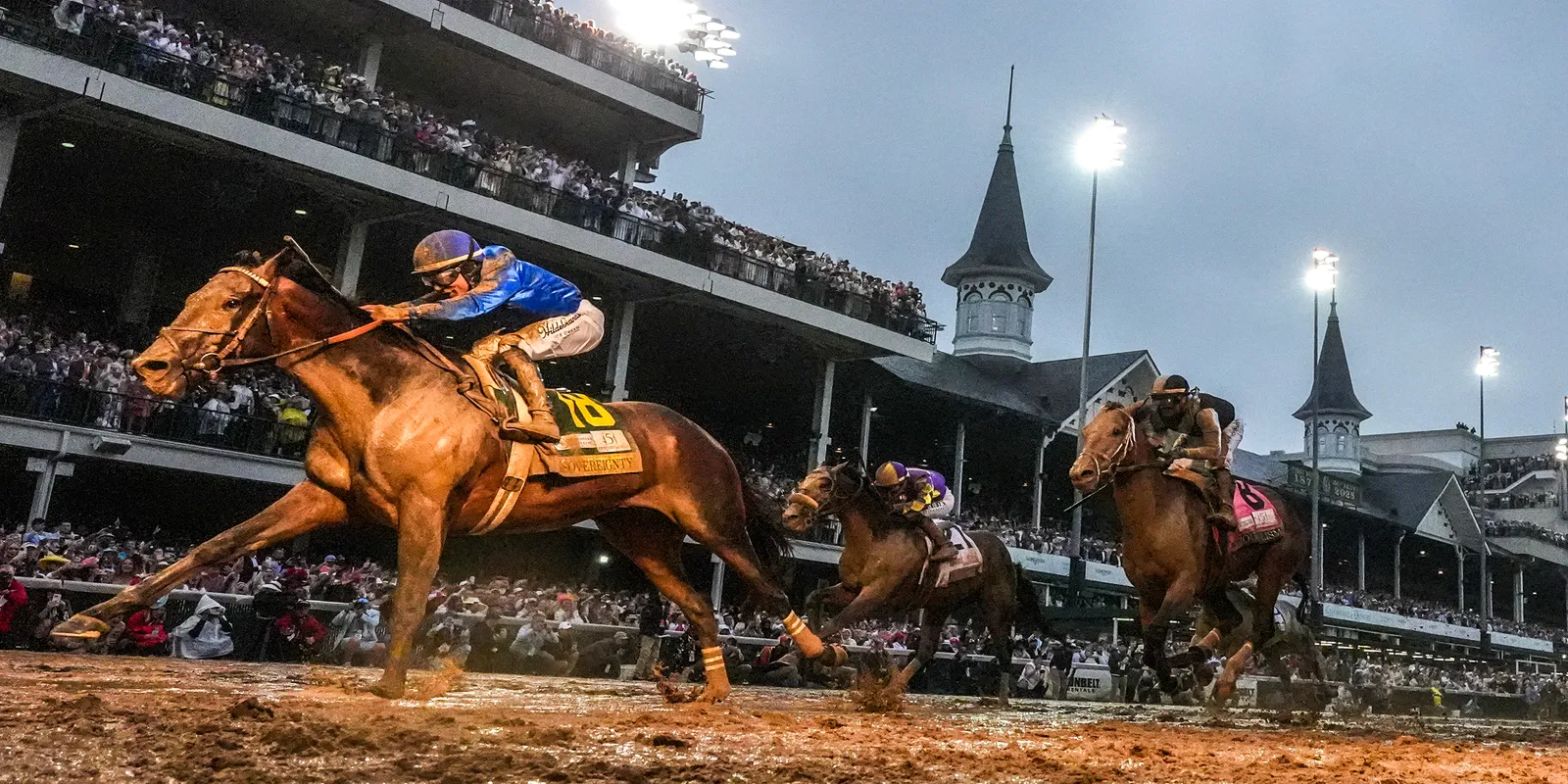
The Kentucky Derby is known as the most exciting two minutes in sports, but for bettors, it has often been two minutes of stress, lost tickets, and regret. Every year, millions of people place wagers. Some win life-changing payouts, while others watch favorites fade and longshots they never considered storm across the finish line. That divide isn’t luck. It is often a matter of mistakes.
Quick Tip: Before you check the upcoming information, boost your bankroll with the top new-player bonus.

Most losing bets are not about choosing the wrong horse. They come from entering the Derby with no plan, no research, and no awareness of how history, race conditions, and wagering trends actually shape outcomes. Understanding where most bettors go wrong is the foundation of becoming sharper and more profitable.
A classic error is assuming the favorite is the safest bet. Many casual bettors pick a horse simply because analysts or social media tell them it’s “the one to beat.” But the Derby field is extremely deep compared to most races, and 20-horse traffic makes the start chaotic. Historically, favorites do win often enough to tempt bettors, but they lose enough to ruin bankrolls.
Favorites fall apart in the stretch more times than beginners expect. Learning to question hype and explore mid-priced contenders or value horses opens up more options than putting everything into one pick. In moments where big wagering pools are involved, public bias often creates poor value.
There is a long history of unexpected Derby wins. Rich Strike won at 80-1. Mine That Bird took the trophy at 50-1. Giacomo shocked everyone at 50-1. In each case, thousands of bettors assumed “that one has no chance” and threw away an opportunity to add a life-changing payout into their bet slip.
This is why many experienced players avoid simple win bets and instead include longshots in exotic tickets like trifectas or superfectas. Even a small 50-cent combination can produce thousands if a forgotten outsider manages to crash the party.
A major part of Derby handicapping is understanding how horses arrive at Churchill Downs. Not all contenders have the same preparation. Some enter undefeated after dominating their spring races, while others improve gradually before delivering a peak performance.
Many bettors lose because they never look into a horse’s seasonal development, trainer strategy, or whether their best prep race performance was actually a fluke. Skipping research makes wagers feel like guesswork.
Following seasonal progress and studying how trainers historically time their entries gives bettors context beyond instinct or emotion. Smart decisions rarely come from headlines alone.
Pace is the flow of the race: who runs early, who stalks, and who charges late. Traffic is intense. Horses that break slowly often get swallowed by the field before they even reach full speed. Others burn out early trying to keep pace.
One of the most overlooked elements of picking a winner is asking: where will this horse sit in the first half-mile? Betters who fail to consider pace dynamics often choose horses whose running style is unsuited for crowded Derby conditions.
Watching replays of the Kentucky Derby prep races can reveal whether a contender can handle a fast start or whether they have late-charge stamina. That is crucial information before placing a wager.
Post positions matter, but many bettors panic when a horse draws the rail or the far outside. Some positions perform better historically, but none guarantee a result. Over-correcting is a mistake that leads to unnecessary last-minute ticket changes.
Instead of letting emotion drive decisions, compare historic post-position trends to other factors. A talented horse with versatility can overcome a less-than-ideal draw, while a weaker horse won’t magically become strong just because it gets a favorable slot.
Watching how pricing shifts is often more helpful than evaluating the number alone. Kentucky Derby Odds move because new information enters the market—weather, workouts, trainer comments, injury news. Bettors who ignore these shifts walk in blind.
Smart players track Kentucky Derby Odds early. If a mid-priced horse quietly drops from 25-1 to 10-1, that usually signals well-informed money flowing in. That kind of insight helps you act at the right time instead of at the last minute.
The Derby is a playground of wagering complexity. Win, place, and show are just the basics. Exotic wagers like trifectas, exactas, and superfectas offer life-altering payouts. Boxes, keys, and wheels allow bettors to cover more combinations without breaking their bankroll.
One of the biggest mistakes is placing a single win bet and assuming you “participated.” Engaging with the wager options more fully allows you to spread risk and maximize chances of winning back more than you wagered.
Emotional betting destroys bankrolls faster than bad luck. Choosing a horse because the name sounds cool or because a relative from a certain state would “want you to pick that one” leads to irrational decisions. Emotion has lost more bets in Derby history than any rival.
The antidote is simple: walk in with a plan. Decide how much money you’re willing to lose, which combinations make strategic sense, and stick to it.
The Derby itself is a two-minute race, but Kentucky Derby Betting is weeks of study. The difference between a casual bettor and someone who comes out ahead is preparation.
Prep races are where form is exposed. Workouts reveal sharpness. Jockey changes influence late-race tactics. Waiting until Derby morning to think about any of this leaves you unprepared.

Most mistakes come from walking into the Derby hoping instead of planning. A winning bettor doesn’t believe in magic. They believe in information. They consider form, strategy, pace dynamics, public reaction, and history. They track pricing movement, monitor workouts, and compare contenders based on logic, not emotion.
Kentucky Derby Betting rewards the people who treat the event as a process rather than a moment. Avoiding these mistakes won’t guarantee a jackpot. But it will guarantee that whatever happens, you’re betting smart instead of blindly.

The writing team at US Racing is comprised of both full-time and part-time contributors with expertise in various aspects of the Sport of Kings.