Horse racing enthusiasts often focus exclusively on speed figures and pedigree, yet they overlook the most volatile element of the sport: the equine mind. We must remember that the contenders on the Kentucky Derby leaderboard are essentially teenagers in terms of neurological development. A three-year-old Thoroughbred possesses immense physical power but lacks the emotional regulation of an older stakes horse.
This psychological gap creates a massive opportunity for bettors who understand pre-race behavior. When you look at the Kentucky Derby odds, you aren't just betting on lung capacity; you are betting on a horse's ability to handle the "Walkover" and the deafening roar of 150,000 fans. Analyzing whether a horse remains "on the muscle" or becomes "mentally fried" dictates the difference between a winning ticket and a wasted investment.

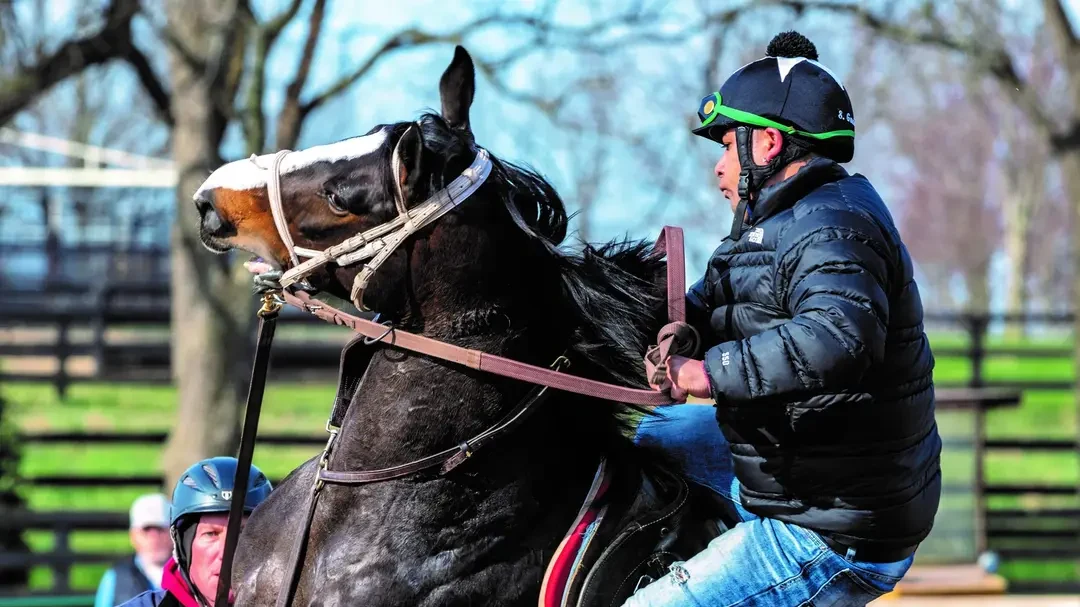
Experts often use the phrase "on the muscle" to describe a horse that looks ready to explode. This is a positive trait, signaling that the horse has reached peak fitness and carries high levels of controlled adrenaline. An "on the muscle" horse displays a rhythmic, purposeful stride during the post-parade. Their ears flick back and forth, absorbing instructions from the jockey while acknowledging their surroundings. You want to see a shiny coat and a slight arch in the neck, indicating that the horse feels its own strength.
When you prepare for Kentucky Derby betting, you must prioritize these visual cues. This controlled aggression allows a horse to break sharply from the gate and secure a positioning advantage without wasting precious energy on antics.
Conversely, a "mentally fried" horse represents a betting disaster. These animals have crossed the threshold from excitement into panic. Look for "washiness" or excessive white foam between the hind legs and on the neck. This "pre-race sweat" indicates that the horse is burning calories and depleting glycogen stores before the gates even open. A horse that is mentally fried will often pin its ears back or show "white of the eye," a sign of high distress. In the Kentucky Derby 20-horse field, a horse that loses its cool in the paddock rarely finds its rhythm on the track. If you see a top contender acting out, it is often wise to pivot your Kentucky Derby betting strategy toward more composed alternatives.
Watch closely for horses that "strike" (throwing a front hoof out aggressively) or "barge" through the pony and handlers in the paddock. Inexperienced observers often mistake this for "spirit" or "heart," but veteran analysts know better. Striking and barging are inefficient displays of dominance that lead to physical exhaustion. A horse that fights its handlers in the tunnel is fighting the race itself.
These behavioral outbursts signify a lack of professional maturity. When evaluating Kentucky Derby contenders, we must discard the myth that an "angry" horse is a fast horse. Efficiency of movement starts in the paddock, and every ounce of energy spent acting out is an ounce of energy unavailable for the final furlong at Churchill Downs.
The ultimate litmus test for mental maturity occurs at the starting gate. The "Alpha" horse stands perfectly still while the Derby chaos of a 20-horse load unfolds around it. This horse possesses a "quiet eye" and waits for the signal with professional indifference. While other horses are "rearing" or "backing out," the Alpha saves every heartbeat for the break.
This mental stillness separates the legends from the also-rans. We see this trait frequently in horses that dominate Kentucky Derby prep races. Mental poise allows a horse to survive the high-pressure environment of the Lecomte Stakes or the Florida Derby, where the noise and tension can break a lesser animal.
Statistics from the last decade of Triple Crown racing suggest a strong correlation between paddock composure and finishing position. Horses that were notably "calm and professional" in the post-parade finished in the top four at a rate 35% higher than those flagged for behavioral issues.
In the 2024 Derby, several highly-touted runners washed out significantly before the call to the post, and their lack of closing kick in the homestretch reflected that wasted energy. Bettors who ignored the "washiness" paid the price. By tracking Kentucky Derby futures, you can monitor how these young horses mature over the winter. A horse that was a "handful" in January but settled by April is a prime candidate for a breakout performance.
The Kentucky Derby environment is unlike any other sporting event in the world. The transition from the quiet barn area to the deafening grandstand creates a sensory overload. Only the most mentally resilient individuals can filter out the noise. This is why "schooling" sessions (where trainers bring horses to the paddock during earlier races) are so critical.
When you bet on Kentucky Derby, you are banking on the trainer's ability to desensitize the horse. If a horse hasn't learned to handle the crowd by the time they reaches the First Saturday in May, no amount of speed figures will save their race. Look for trainers like Brad Cox or Todd Pletcher, who emphasize gate schooling and paddock manners in their Derby prep programs.

Live betting and late-pool wagering require nerves of steel and a sharp eye. If your "lock" of the day starts acting up as the horses approach the gate, you must have the discipline to hedge your position.
The gate crew works tirelessly to settle the field, but they cannot fix a horse's internal panic. A horse that "sits" in the gate (leaning its weight back) will likely miss the break, losing the race in the first two seconds. Monitoring Kentucky Derby odds alongside the live feed helps you spot value. When a favorite looks unsettled, the value shifts toward the professional "Alpha" types who are standing like statues in the adjacent stalls.
As we approach the most prestigious races on the calendar, we must refine our evaluation criteria. Look for horses that walk with a flat-footed, confident stride. Avoid the "jigging" horse (the one that wants to trot or side-step rather than walk calmly). This nervous energy is a silent bankroll killer.
By focusing on equine psychology, you gain a 5% to 10% edge over the general public, who only look at the "Daily Racing Form" stats. True specialists understand that the physical body only goes where the mind allows it. This year's crop of three-year-olds features several high-strung individuals, making pre-race observation more profitable than ever for savvy investors.
The road to the winner's circle is paved with psychological hurdles that many horses simply cannot leap. If you want to maximize your ROI this season, you must become a student of behavior. Stop chasing the "hype" and start chasing the "Alpha." The horse that conquers its own nerves before the gates fly open is the horse that will conquer the distance. Don't leave your bankroll to chance; watch the paddock, watch the gate, and place your bets with the confidence of a professional.
Ready to put your eyes to the test? Use these behavioral insights to identify the true market value. Stay tuned to US Racing and start your Kentucky Derby betting journey today. Secure your account, grab your bonus, and join the ranks of elite bettors who know that the race starts long before the "Riders Up" call.
The writing team at US Racing is comprised of both full-time and part-time contributors with expertise in various aspects of the Sport of Kings.