The Invisible Variable in Championship Racing
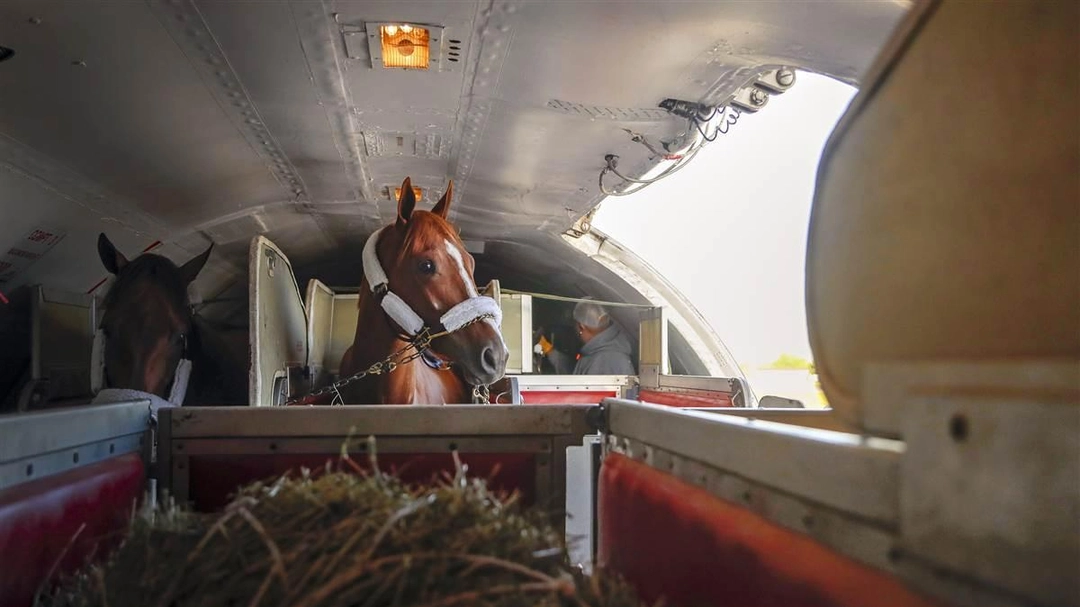
Casual bettors often overlook the physiological toll that global travel extracts from elite Thoroughbreds. While the horse racing form shows high-class victories in the UK or South America, it rarely highlights the "shipping effect." This phenomenon represents a silent killer for many favorites at Gulfstream Park. When you analyze Pegasus World Cup Odds, you must account for more than just speed figures and pedigrees. You must evaluate the "First 48 Hours," the critical window where a horse either adapts to the sticky South Florida heat or begins a downward spiral of dehydration and "shipping fever." Success in Pegasus World Cup betting requires a deep understanding of how these athletes transition from the cool, deep turf of Europe or the high altitudes of the Southern Hemisphere to the demanding Hallandale Beach dirt.
Decoding the First 48 Hours at Gulfstream
The moment a horse steps off a plane in Miami, its internal clock and biological systems face an immediate assault. Horses shipping from the UK frequently leave behind damp, 40-degree weather for the 80-degree humidity of Florida. This sudden change disrupts their thermoregulation. During a long-haul flight, a horse can lose between 5% and 6% of its total body weight. This loss isn't just fat; it is vital muscle glycogen and water. Expert trainers watch the first 48 hours with hawk-like precision. They monitor water intake, manure production, and most importantly, rectal temperature. If you want to bet on Pegasus World Cup today, look for reports on "gut fill" and hydration levels. A horse that refuses to drink the local Florida water in those first two days will almost certainly "bounce" when the gates open on Saturday.
The Menace of Shipping Fever
"Shipping fever" isn't just a catchy phrase; it is a dangerous form of pleuropneumonia that strikes horses after long-distance travel. When horses stand for hours with their heads tied up in a trailer or a plane, they lose the ability to clear their airways of dust and bacteria. This leads to fluid buildup in the lungs, which remains invisible to the naked eye during morning gallops. An international shipper might look spectacular in a televised workout, yet its lung capacity remains compromised. Savvy players checking the Pegasus World Cup Odds often pivot away from international favorites if they hear whispers of a "temperature" earlier in the week. Even a mild fever of 101.5°F destroys a horse’s chance in a Grade 1 sprint-to-the-turn race like the Pegasus.
Acclimatization and the South Florida Humidity
Gulfstream Park presents a unique atmospheric challenge. The humidity in Hallandale Beach creates a "heavy" air that differs significantly from the crisp environments of New York or Kentucky. Horses that ship in late (often called "ship-and-win" attempts) frequently struggle because their sweat does not evaporate efficiently in the Florida air. This prevents the horse from cooling its core temperature during the race. History shows that horses stationed at local training centers like Palm Meadows or Payson Park for at least two weeks possess a massive advantage. They have already regulated their salt and mineral intake to match the local climate. When you engage in Pegasus World Cup betting, prioritize the "local" horse over the "glamour" shipper who arrived only 72 hours before the event.
Transitioning from Deep Turf to Sticky Dirt
The technical composition of the Gulfstream dirt track acts as a trap for European turf specialists. In the UK, horses compete on "givey" ground that allows for a long, sweeping stride. Gulfstream's dirt is "sticky" and favors immediate, high-knee acceleration. International horses often find the "kickback" (the sand thrown back by lead horses) to be a traumatic experience. If a horse loses weight during shipping, it lacks the raw strength to power through this heavy surface. This physical deficit becomes apparent at the half-mile pole when the "dirt regulars" begin their surge. Analyzing Pegasus World Cup Odds requires you to ask if an international runner has the bone density and muscle mass to handle the transition from grass to the Hallandale "conveyor belt."
The Weight Loss Factor in South American Shippers
South American champions, particularly those from Argentina and Chile, bring immense talent but face the longest travel routes in the sport. These horses often cross multiple time zones and hemispheres, which resets their endocrine systems. A horse shipping from the Southern Hemisphere might still be in a "winter coat" phase internally, even if it looks sleek. This biological mismatch leads to rapid weight loss that trainers struggle to reverse in a few days. You should look for horses that have put back on the "lost 50 pounds" before race day. In Pegasus World Cup betting, a "ribby" or thin-looking horse in the paddock is a massive red flag, regardless of its past performances in Buenos Aires or Santiago.
Tactical Speed vs. Shipping Fatigue
Fatigue manifests first in the "break" from the gate. The Pegasus World Cup starts with a very short run to the first turn. This layout demands instant, explosive speed to secure a position near the rail. A horse suffering from shipping fatigue usually misses the break by a half-length, which is a death sentence at Gulfstream. If the Pegasus World Cup Odds favor a horse with a "closer" style that just arrived from overseas, you are looking at a high-risk proposition. The "Hallandale Speed Bias" punishes anyone who isn't 100% physically recovered from their journey. Freshness beats class when the humidity levels rise, and the track surface gets demanding.
Watching the Paddock and Post-Parade
The final piece of the puzzle reveals itself in the paddock. You must look for "bright eyes" and a "dappled" coat. A horse that has handled the shipping effect well will show a glossy sheen and an alert, but not nervous, demeanor. Conversely, a horse that is "tucked up" (thin in the flank) or "dull" in the coat is likely still feeling the effects of its flight. These physical cues tell you everything the morning line cannot. When you bet on Pegasus World Cup today, use your eyes to verify the shipping data. A horse that is sweating profusely before the rider even mounts is already burning the energy it needs for the stretch run.
Why Local Prep Races Matter Most
The most successful Pegasus contenders often come through local preps like Harlan's Holiday or are seasoned veterans of the Gulfstream Championship Meet. These horses have already bypassed the risks of shipping fever and the hurdles of weight loss. They are drinking the local water and breathing the heavy air daily. Their bodies have adjusted to the specific "bounce" of the Gulfstream dirt. While the international stars attract the headlines, the local "Horse for the Course" usually provides the best value in Pegasus World Cup betting. Do not let a high-profile name blind you to the reality of equine physiology.
Seize the Advantage on Race Day
The Pegasus World Cup is a war of attrition where only the physically elite survive the transition to South Florida. By focusing on the shipping effect, the "First 48 Hours," and the invisible toll of humidity, you place yourself ahead of 90% of the betting public. You now know that a "temperature" on Tuesday means a loss on Saturday and that weight loss is the ultimate predictor of a poor performance. The Pegasus World Cup Odds are live, and the window for profit is shrinking. Don't leave your bankroll to chance; use this expert analysis to identify the truly fit contenders. Bet on Pegasus World Cup today and turn these physiological insights into a massive payday.
The writing team at US Racing is comprised of both full-time and part-time contributors with expertise in various aspects of the Sport of Kings.