The roar of the crowd at the Florida Derby or the Blue Grass Stakes creates a sensory overload that reveals a horse’s true character long before the jockey climbs aboard for the Kentucky Derby chaos. Handicappers often obsess over speed figures and pedigree, yet they ignore the visceral, physical reality of the animal standing before them. Visual handicapping serves as the final filter for any serious bettor. When you look at the Kentucky Derby contenders, you aren't just looking at athletes; you are looking at psychological profiles. A horse that maintains its composure amidst the deafening noise of a prep race broadcast provides a massive clue about its potential performance under the twin spires. We call this "paddock psychology," and mastering it separates the casual Sunday bettor from the professional sharp who cleans up on the big days.

Experts look for a specific "look" that signals a horse is reaching its physical peak. We call this "positive energy." You should prioritize horses displaying a dappled coat, which shines with a metallic luster under the afternoon sun. Dapples indicate a high level of cardiovascular fitness and internal health. Furthermore, watch for alert, "forward" ears that track the movements of the pony rider or the groom without showing signs of distress. A purposeful walk (one where the horse oversteps its front tracks with its hind hooves) suggests a fluid, athletic stride that will translate to efficient ground-covering during the race. These visual cues frequently align with favorable Kentucky Derby Odds, confirming your data-driven picks.
Veteran analysts fear the "washed out" horse more than any bad post position. When a horse "washes out," it begins to sweat profusely between its hind legs and across its neck, often creating a white, soapy lather. This signifies a massive dump of adrenaline triggered by anxiety rather than competitive drive. This horse is running its race in the paddock, burning vital glycogen stores that it will need for the final quarter-mile. If you see a horse tossing its head violently or "fidgeting" in the gate, you are witnessing a horse that lacks the mental maturity to handle the pressure. Many bettors overlook these signs, but seeing a favorite wash out in the Kentucky Derby prep races tells you everything you need to know about their win probability.
The transition from the paddock to the track offers another layer of behavioral insight. A winning candidate moves onto the track with a sense of "controlled aggression." They should reach for the bit and show a desire to run without fighting the jockey's hands. If a horse is "propping" (refusing to move forward or planting its feet), it is telling the world it is not ready for the task at hand. This behavior often precedes a disappointing finish, regardless of what the Kentucky Derby leaderboard says about their previous points. You want to see a horse that handles the transition to the track like a professional businessperson entering a boardroom.
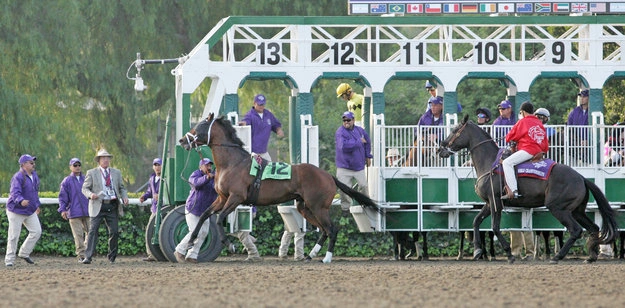
The moments before the "off" provide the final piece of the puzzle. Observe the loaders. A horse that walks into the starting gate without hesitation possesses the confidence required for a clean break. Conversely, a horse that leans against the back of the gate or shifts its weight erratically will likely miss the jump. In a field of twenty, a poor start is often a death sentence. When you look at Kentucky Derby betting, you must factor in these final seconds of behavior. A calm, focused horse in the gate often secures the tactical position necessary to navigate a crowded field, whereas a fractious horse wastes energy and risks injury.
History shows that the temperament displayed during the major preps reliably predicts the first Saturday in May. The noise levels at Keeneland or Gulfstream Park act as a dress rehearsal for the 150,000-person chaos of Churchill Downs. A horse that handles the "walkover" and the national anthem at Churchill requires a specific brand of mental fortitude. If you are looking to bet on Kentucky Derby history, look for the horse that stayed cool while its rivals melted down in the humidity of the Florida Derby. Mental toughness counts for as much as lung capacity when distances lengthen and pressure mounts.
Smart players don't wait for race day to apply these principles. They use behavioral observations from earlier in the season to inform their Kentucky Derby futures plays. If you noticed a two-year-old who stayed professional during a gate delay in the Breeders' Cup, you've already identified a horse with the "Derby Temperament." These subtle observations allow you to lock in much better Kentucky Derby Odds months in advance. You are betting on the horse's mind as much as its legs. The betting public usually catches on too late, allowing the observant journalist and analyst to capitalize on the value early in the cycle.
Pay close attention to how the groom handles the horse. If a groom is constantly "shanking" the horse (tugging hard on the lead shank to keep it under control), the horse is likely on edge. A relaxed groom usually indicates a relaxed horse. Furthermore, watch the trainer's body language. Trainers who exude confidence in the paddock often have a horse that is "sitting on a big race." These human-equine interactions provide a window into the horse's current state of mind. When engaging in Kentucky Derby betting, these nuances provide the "edge" that pure statistical models often miss.
Beyond movement, the actual look in a horse's eye tells a story. You want a "bright," focused eye that isn't showing too much white (which indicates fear or high stress). A horse with a "dull" look may be overtrained or feeling the effects of a long season. These physical manifestations of health and mindset are the primary tools of the visual handicapper. When evaluating Kentucky Derby Odds, a horse that looks "ready to jump out of its skin" in a positive way is the one you want on your tickets. They are signaling their readiness to deliver a career-best performance.
Behavioral responses to track conditions also matter. Some horses hate the "kick-back" (dirt hitting them in the face) and will toss their heads or retreat from the field when they encounter it. In the paddock, you can sometimes spot this sensitivity if a horse is particularly "touchy" about its head or ears being handled. A horse that thrives on the lead or handles dirt in its face with indifference is a much safer play when you bet on Kentucky Derby glory. This resilience often separates the "paddock champions" from the actual winners who can take a punch and keep moving forward.

At the end of the day, a horse is a flight animal. Its natural instinct is to run away from stress. The elite Thoroughbred is the one that has been bred and trained to channel that instinct into competitive drive rather than blind panic. By mastering paddock psychology, you gain an unfair advantage over the rest of the betting pool. You see the "meltdown" before it happens on the track, and you recognize the "peak" before the gates fly open. This is the art and science of winning at the highest level of horse racing.
The difference between a winning ticket and a losing one often comes down to the three minutes before the race. Now that you have the tools to read the paddock like a pro, it's time to put that knowledge to work. Don't let another race day pass where you miss the visual cues that were staring you in the face. Join the US Racing community today and get the latest insights, behavioral reports, and exclusive analysis on all the major contenders.

The writing team at US Racing is comprised of both full-time and part-time contributors with expertise in various aspects of the Sport of Kings.