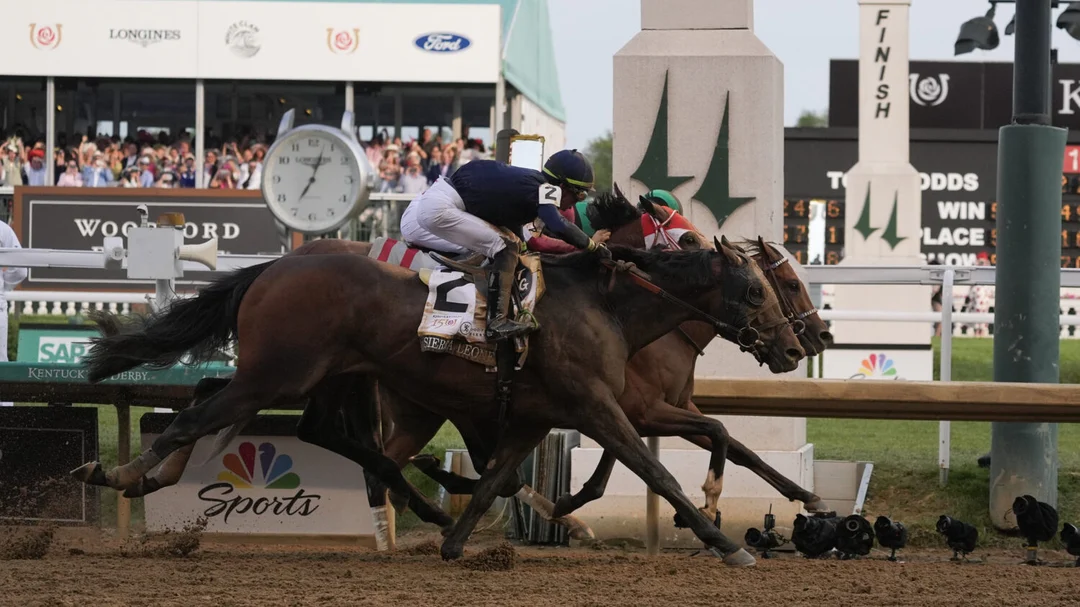
The Road to the Roses in May begins long before the mint juleps flow at Churchill Downs. As we turn the calendar to January, the intensity of the Kentucky Derby prep races reaches a fever pitch. Enthusiastic owners and trainers push their three-year-olds into high-stakes battles like the Jerome Stakes at Aqueduct or the Sham Stakes at Santa Anita. While these races provide crucial points for the Kentucky Derby leaderboard, they often come at a steep physiological price. Many handicappers focus purely on the win-loss column, but the seasoned professional looks deeper at the physical toll these early-season efforts exert on developing Thoroughbreds.

Horse Racing in the frigid temperatures of New York or the damp air of early-season Florida presents a unique challenge to a young horse’s respiratory system. When a three-year-old enters a "speed duel" (a scenario where two or more horses contest the lead at a blistering pace), they require maximum oxygen intake. Cold air is naturally denser and more abrasive to the sensitive lining of the equine lung.
As these athletes inhale thousands of liters of air during a mile-long sprint, the cold can trigger Exercise-Induced Pulmonary Hemorrhage (EIPH) or significant inflammation. This hidden damage often compromises a horse's long-term performance, making Kentucky Derby betting a game of medical deduction as much as statistical analysis.
Physiologically, a speed duel acts as a double-edged sword for a developing three-year-old. During these intense skirmishes, the horse's heart rate stays at its maximum threshold for an extended period. This creates a significant buildup of lactic acid in the muscles and places significant pressure on the pulmonary capillaries.
In January, many of these contenders have not yet developed the "bottom" or foundational stamina required to withstand such a burst while also dealing with the heavy, winter track surfaces. If you plan to bet on Kentucky Derby online, you must identify which Kentucky Derby contenders survived their January duels without "bleeding" or sustaining long-term lung scarring.
One of the most vital "tells" for any horse racing analyst occurs after the finish line. The "gallop out" refers to the distance and energy a horse maintains after the race officially ends. In the context of January speed duels, the gallop out serves as a diagnostic tool for respiratory health.
If a horse wins a hard-fought duel but pulls up immediately after the wire, his lungs are likely screaming for air. This lack of energy suggests he hit his physiological limit. Conversely, a horse that continues to run strongly around the first turn after the wire shows a robust respiratory capacity. This distinction is critical when evaluating Kentucky Derby betting odds for the upcoming spring.
The "bounce" is a well-known phenomenon in speed figure analysis, in which a horse runs significantly worse at the start after a career-best effort. While many attribute this to muscular fatigue, the primary culprit for January three-year-olds is often respiratory exhaustion. A speed duel in the Jerome or the Lecomte can "gut" a horse, leaving him functionally compromised for weeks.
When you examine the Kentucky Derby prep races, look for horses that won narrowly after a high-speed battle. These winners often become the most "over-bet" and "under-performing" horses in the following month's trials because their bodies are still recovering from the January stress.
Current standings on the Kentucky Derby leaderboard often reflect the results of these early battles, but the points don't tell the whole story. A horse sitting at the top after a grueling January win might be a "false favorite." The historical data suggest that horses that engage in high-pressure duels before February often fail to sustain that form through the grueling Triple Crown season. We see a recurring pattern where the "January stars" fade by the time the Florida Derby or the Wood Memorial arrives. Smart money waits for the horses that tracked the pace comfortably rather than those who fought tooth and nail in the winter cold.
Horses are elite aerobic athletes, but their lungs do not expand and contract the same way in 30-degree weather as they do in 70-degree weather. Cold air causes bronchoconstriction, which narrows the airways and forces the horse to work harder for the same amount of oxygen. When two horses duel in January, they are essentially fighting each other and the environment simultaneously. This compounded stress can lead to "track-induced asthma" or chronic airway inflammatory disease. When you analyze Kentucky Derby futures, prioritize those horses trained in warmer climates or those who won their January preps with minimal urging.
There is a significant difference between a horse that is "fast" and a horse that has "bottom." In the horse racing world, "bottom" refers to the deep, cardiovascular foundation required to run 10 furlongs on the first Saturday in May. January speed duels prioritize raw, anaerobic speed, which is often a trap for bettors. A horse might look like a world-beater winning a seven-furlong or one-mile prep in a fast time, but the physical exertion of that win might actually hinder his ability to build the aerobic base needed for the Derby. We must look for the "easy winners" who finished with their ears pricked and lungs calm.
Data from the last decade shows a clear correlation between "moderate" January efforts and "peak" May performances. Many recent Kentucky Derby winners either skipped the heavy January duels entirely or ran in races where the pace was controlled. The winners of high-pressure January duels have a remarkably low strike rate in Louisville. This is because the horse's internal "battery" only has so many maximum-effort cycles in a season. By using it up in a New York winter, the trainer leaves nothing in the tank for the roses. Always cross-reference Kentucky Derby betting trends with the pace figures of their three-year-old debut season.

When investing in Kentucky Derby futures, diversity is your best friend. However, you should specifically exclude horses that appear "used up" by their early campaigns. Look for the "closers" who finished strongly in January without being asked for their absolute best. These horses typically have the healthiest lungs and the most upward mobility in their speed figures. While the flashier speed-duel winners grab the headlines and the low Kentucky Derby Odds, the efficient movers provide the real value for the long-term gambler.
Equine health is the most underrated factor in modern handicapping. A horse with scarred lungs from a January EIPH event will never reach its full potential, regardless of its pedigree. In US Racing, we must educate the public on the "invisible" injuries. If you see a trainer backing off a horse after a big January win, take that as a massive red flag. It usually indicates the horse "bled" or is struggling to recover its respiratory rhythm. This knowledge is your edge when engaging in Kentucky Derby betting against the general public, who only see the trophy.
The allure of the Kentucky Derby often clouds the judgment of even the most experienced horsemen. The pressure to earn points and climb the Kentucky Derby leaderboard pushes young horses into situations their bodies aren't ready to handle. As a bettor, your job is to identify the survivors. Watch the replay of every January prep. Look at the nostrils of the winner—are they flared for ten minutes after the race? Does the horse look distressed? If the answer is yes, then that horse is a "fade" in the next round of Kentucky Derby prep races.
The Road to the Kentucky Derby is paved with the exhausted lungs of January speed-duelists. Don't let your bankroll become a casualty of winter hype. By focusing on respiratory health, observing the post-race gallop out, and identifying the "bounce" candidates, you position yourself to profit when the real running starts in May.
The most successful players are already analyzing the Kentucky Derby contenders with a scientific eye. Are you ready to take your game to the next level?
Stop guessing and start winning with the most sophisticated tools in the industry. Stay tuned to US Racing to get exclusive access to medical insights, advanced gallop-out data, and expert picks for every major prep race.
Don't wait until the odds drop on Derby Day; position yourself now and bet on Kentucky Derby online with the confidence of a professional insider. Your journey to the winner's circle starts with one click.

The writing team at US Racing is comprised of both full-time and part-time contributors with expertise in various aspects of the Sport of Kings.