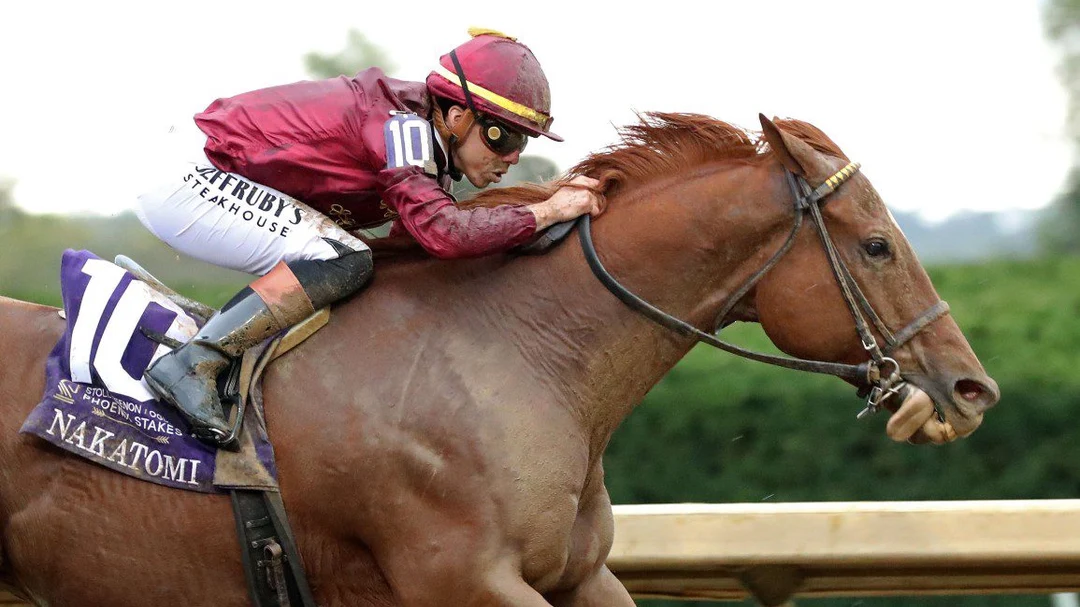
Keeneland on October 31. Six furlongs. Dirt. One of the most straightforward race shapes on the entire Breeders' Cup card to read on paper, and one of the trickiest to beat in the exotic bets. The Breeders' Cup Sprint has a way of humbling sharp bettors who think they have it figured out by the time the gate opens. With the 2026 running now six weeks out, it is time to get serious about the Breeders' Cup Sprint 2026 contenders and early odds, map the likely pace scenario, and start building a ticket structure worth playing.
Let's get into it the right way.

| PP | Horse | Fractional | American |
|---|---|---|---|
| 1 | Kopion | 7/2 | +350 |
| 2 | Banishing | 15/1 | +1500 |
| 3 | Lovesick Blues | 10/1 | +1000 |
| 4 | Patriot Spirit | 30/1 | +3000 |
| 5 | Big City Lights | 15/1 | +1500 |
| 6 | Dr. Venkman | 15/1 | +1500 |
| 7 | Imagination | 6/1 | +600 |
| 8 | Nakatomi | 15/1 | +1500 |
| 9 | American Stage | 30/1 | +3000 |
| 10 | Bentornato | 5/2 | +250 |
| 11 | Mullikin | 15/1 | +1500 |
| 12 | Straight No Chaser | 8/1 | +800 |
| 13 | Mad House | 30/1 | +3000 |
| 14 | Whatchatalkinabout | 30/1 | +3000 |
Keeneland is not Santa Anita. Keeneland's one-turn, six-furlong configuration puts a premium on horses that can establish position early without burning themselves up in the opening quarter. The track has historically played slightly to the inside in the fall meet, but that bias is not absolute, and it shifts with maintenance and weather. You can bank on a horse breaking from a wide post and forced four-wide into the first turn needing something extra to overcome the ground loss against a field this caliber.
Post position matters here more than bettors sometimes give it credit for. Gates one through five have historically produced a disproportionate share of Sprint winners and exacta horses. When the Breeders' Cup odds board opens after the post draw, do not ignore position. A live horse landing in the eight or nine hole in a field of ten should see some price inflation, and that is where overlays get born.
The Breeders' Cup contenders picture for the Sprint is still taking shape through October prep races, but the horses generating the most serious conversation among handicappers fall into three categories: the speed-heavy morning-line favorites, the stalkers with proven class, and the form-cycle longshots worth a look at a number.
The chalk in this race almost always comes from a horse that won a major prep, usually the Forego at Saratoga or one of the fall sprint stakes at Keeneland or Belmont. Trainers like Brad Cox, Todd Pletcher, and Steve Asmussen know exactly how to point a sprinter at this spot, and their horses tend to show up fit and ready. When you see a Cox or Pletcher runner firing a sharp work tab in early October at Keeneland, that is not accidental. They are telling you something.
Jockey assignment is equally telling at this distance. Irad Ortiz Jr. and Luis Saez are two riders who understand the geometry of Keeneland's sprint chute better than most. A rider switch to either of those two in the final days before scratch time is worth noting on your contenders list.
Check the full breakdown of who is pointing to this spot at the contenders page and cross-reference it with the Breeders' Cup Challenge qualifiers, because win-and-you're-in preps can lock horses into the field before the connections would otherwise commit.
The Sprint pace scenario is where the real money gets made or lost. Top-level six-furlong sprints almost always feature multiple legitimate speed horses. When two or three horses want to lead, and none will surrender, the fractions get fast, they flatten out in the stretch, and a stalker sitting two lengths off the pace in fourth rolls through them. That script has played out in this race more than once, and it is the scenario you should be handicapping toward unless the pre-race speed map looks genuinely one-dimensional.
If the pace does collapse on front-end speed, the exacta and trifecta payoffs from a stalker-on-top result can be substantial because the public will load up on the gate-to-wire type. That is the overlay you are hunting.
Exotic ticket structure to consider:
The Breeders' Cup Filly and Mare Sprint and the Breeders' Cup Turf Sprint run on the same card and share many of the same pace dynamics. If you are building a Pick 4 or Pick 5 sequence, understanding how all three sprint races connect gives you a real structural edge over bettors treating each race in isolation. If you haven't grabbed a Breeders' Cup free bet to work with, now is the time to set that up before the card fills in.
Value play to watch: A horse that ran against Grade 1 company in the spring, then took a maintenance start at a softer class level in August, and is now showing a sharp bullet work in early October fits the form cycle of a classic Breeders' Cup overlay. Trainers use that middle start to sharpen fitness without burning a peak effort. When you see that pattern paired with a return to stakes company via a prep win, take the morning line number seriously and consider whether the public is undervaluing the form.
For context on how international horses factor into this equation later in the year, keep an eye on the Dubai World Cup contenders and Saudi Cup contenders pages, since the global sprint picture occasionally sends a horse pointed toward Keeneland by October. The Dubai World Cup odds and Saudi Cup odds boards give you a baseline for how those international runners were priced when they last ran at the top level.
The Sprint conversation across betting forums and social media is already running hot this close to Keeneland. On X (formerly Twitter), the dominant thread is about pace. Bettors are flagging multiple speed horses with legitimate early fractions and debating whether anyone in the current crop can wire a contested field at Keeneland. The consensus leans toward a contested pace scenario setting up a closer, but sharp voices keep pushing back, arguing that one horse has enough raw speed to clear the field early and control the fractions solo.
Over on Reddit's horse racing communities, the discussion centers on value. Several posters are specifically targeting the morning line number as being too tight on the top two contenders, and there is genuine interest in a second-tier horse that fits the stalker profile at a price. Ticket construction threads are getting detailed, with bettors sharing their superfecta structures and debating the cost-to-coverage tradeoff on a ten-horse field. The community is engaged and doing the work, which is always a good sign that this race has the attention it deserves heading into race week.

The Breeders' Cup Sprint is scheduled for October 31, 2026, at Keeneland Race Course in Lexington, Kentucky, as part of the two-day World Championships card.
The Breeders' Cup Sprint is contested at six furlongs on the main dirt track. Early speed, a clean break from the gate, and the ability to sustain a pace through the stretch are the primary factors to evaluate.
You can bet the Breeders' Cup Sprint 2026 at US Racing. New players can get $1,000 Cash at BUSR and up to 10% Rebates, which makes it a strong place to build your Breeders' Cup ticket.

The writing team at US Racing is comprised of both full-time and part-time contributors with expertise in various aspects of the Sport of Kings.