The $2 million Breeders’ Cup Juvenile Fillies (G1) is one of the initial seven races that have been run each year since the inaugural event at Hollywood Park in 1984. It is the main event in deciding who will win the Eclipse Award as champion 2-year-old filly.
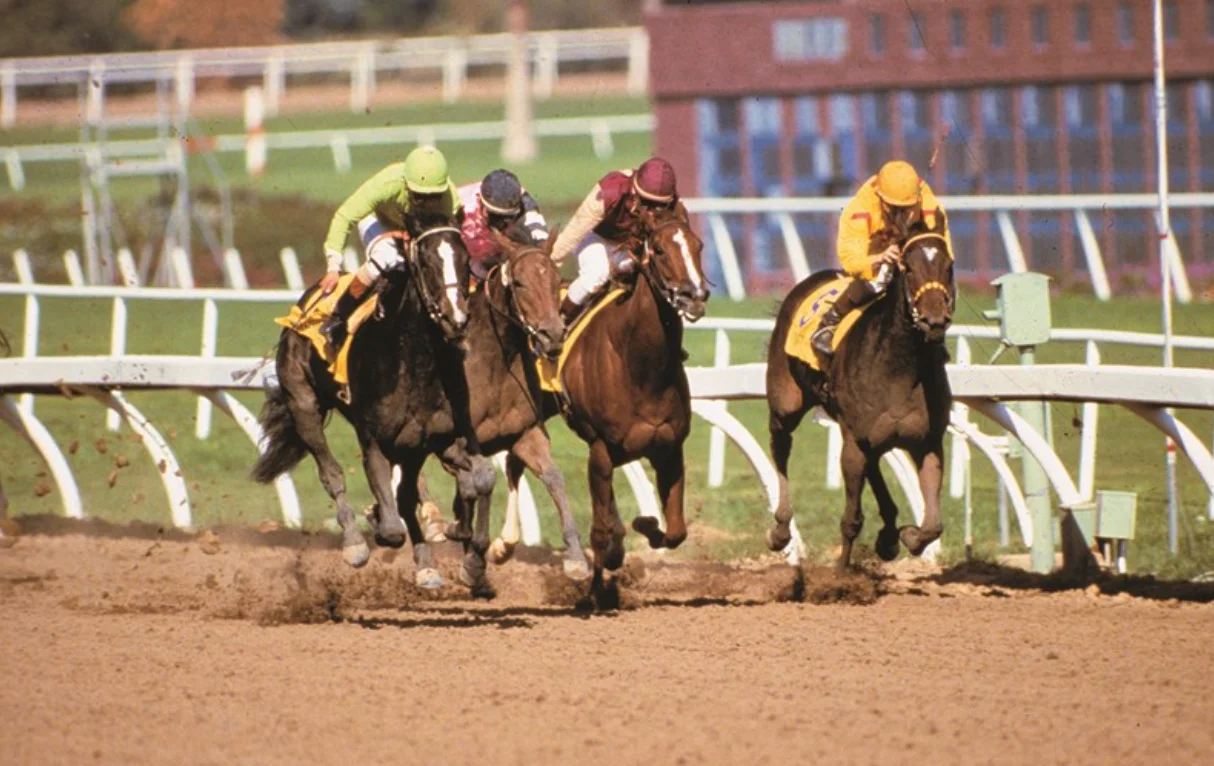

Of the 42 winners of this Breeders' Cup race, 38 have earned the year-end championship honor, including Super Corredora a year ago.
It was worth $1 million until 2005.
2006 -- Dreaming of Anna captured the title with a dominant wire-to-wire performance in the only Breeders’ Cup held outside of the United States when it was contested at Woodbine. She was crowned champion 2-year-old filly that year.
1999 – Silverbulletday staged a breathtaking display in the 1999 edition at Gulfstream Park, where she delivered a performance that remains etched in racing history. After a slow start, she showcased her immense talent by rallying from behind and winning by an impressive 3 ½ lengths.
2012 – Beholder made her mark in the 2012 edition at Santa Anita Park in a performance that left fans and bettors alike in awe. Starting from a challenging position, Beholder overcame a slow start to take command in the final stretch, finishing with a strong burst of speed to secure her victory by 4 ½ lengths. The race was pivotal, as it laid the groundwork for Beholder's illustrious career, where she would go on to compete in and win against some of the toughest rivals in horse racing history, including facing and defeating males.
2013 -- Ria Antonia finished second but was promoted to first after rival She’s a Tiger, who crossed the wire in front, bumped her down the lane. The DQ was the second in Breeders’ Cup history and, ironically, the second in the Breeders’ Cup Juvenile Fillies. Fran’s Valentine was demoted from her win in 1984.
2015 – Songbird is regarded as one of the greatest fillies of her generation, and her performance in 2015 at Keeneland was a testament to her talent. Starting off the race with powerful precision, she quickly gained the lead and maintained it with confidence, ultimately winning by a comfortable 5 ¾ lengths. Her victory displayed a combination of speed and intelligent racing, marking her as a must-watch contender for future races and a strong favorite among bettors.
The race has an average field size of 11 runners. The fullest field has been 14, the smallest was six, and the average mutual payout is $20.44.
However, only about 23% of winners pay more than $20 on a $2 wager.
There have been some large upsets, the highest win price recorded was the $125.40 Take Charge Brandi returned in 2014.
Interestingly, the Juvenile Fillies is a relatively “chalky” Breeders’ Cup race. The post-time favorite has won at a higher rate than in any other Breeders’ Cup race. The favorites strike rate in the Juvenile Fillies is 45%. However, in more recent years, the dominance of favorites has cooled: In the past 15 years, the favorite has won only four times.
When it comes to betting, the race offers unique opportunities.
The average payout for the winner can fluctuate significantly from year to year, influenced by the preferences of bettors and the perceived strength of the competitors. For instance, in recent years, favorites have often produced lower payouts, while longshots can yield eye-popping returns.
Bettors should keep in mind some key trends when approaching the Breeders' Cup Juvenile Fillies. Pay close attention to the training patterns leading up to the event; those coming from respected trainers often perform better.
Also, many successful bettors observe the breeding of the horses. Pedigree plays an essential role, as fillies with strong bloodlines tend to have the innate ability and talent to compete at a high level. Watching for horses by well-known sires can lead to smarter betting choices.
Odds ranges: Bets suggest that there’s a “valley” of underperformance by mid-range longshots. Horses in the 7-1 to 17-1 range rarely win. The winning tickets tend to come from either solid favorites or big longshots. Last year’s Super Corredora was 8-1, defying this trend
Experience: Fillies with prior Grade 1 experience tend to have an edge. In fact, in recent decades, almost all Juvenile Fillies winners had raced in G1s before. Super Corredora again bucked this trend a year ago.
Prep races: The Frizette Stakes (G1) in New York is a particularly strong prep; many winners ran in the Frizette. Other productive preps include the Alcibiades (Keeneland) and Del Mar Debutante.
Jockeys/Trainers: Certain jockeys have done well, so paying attention to past successes is important.
Lean to the favorite: Given the historically strong strike rate of favorites, backing a sound favorite is often defensible. But “junk favorites” or lightly tested ones are riskier.
Don’t ignore big longshots: Because mid-range odds rarely win, the most attractive underdog plays are either real live longshots or solid contenders, not the “middling” oddshorses.
Favor fillies with tactical speed: Horses that can stay within the top 2–4 early are advantaged, especially over 1⅛ miles with early fractions.
Manage exotic bets carefully: Because favorites dominate often, but exotics pay big when upsets happen, layered betting (boxing, keying) is often the way to go.

The writing team at US Racing is comprised of both full-time and part-time contributors with expertise in various aspects of the Sport of Kings.