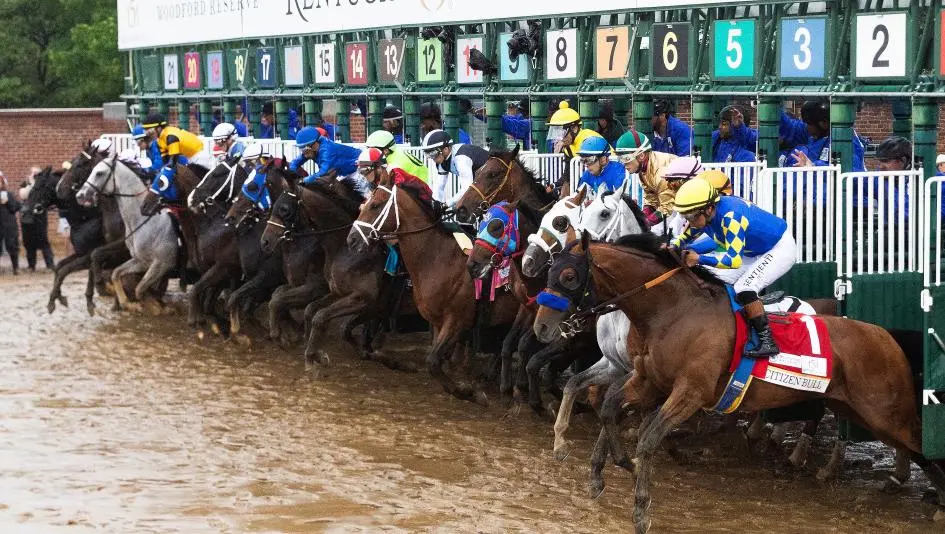
The 152nd Kentucky Derby is in the books, and before the roses are even dry, the question every serious bettor needs to answer is this: Will the winner actually show up at Laurel Park for the Preakness Stakes? That is not a rhetorical question right now. It is a live handicapping problem with real money attached to it. The 2026 Preakness is shaping up to be one of the most unpredictable renewal betting situations in recent memory, and how you position yourself in the next two weeks depends entirely on what the winning trainer decides to do.
To understand where we are, you have to look at where we just came from. Check the Kentucky Derby results list going back a decade, and you will notice something: the trend of Derby winners bypassing the Preakness has been building quietly. Then in 2025, Bill Mott made it loud. He kept Sovereignty out of the Preakness entirely, pointed the horse toward the Belmont, and won there, too. That decision changed the conversation in this sport permanently.

Here is what makes 2026 different from every prior year. Pimlico Race Course is gone as the host. The Preakness Stakes is running at Laurel Park in Maryland. That is not a minor detail. When you are a trainer sitting on a horse worth tens of millions of dollars in breeding value, you are now weighing a race at a venue that has not hosted anything close to this kind of spotlight before. Longtime racing writer Bill Ordine put it plainly: why would a trainer bring a "zillion-dollar horse" to Laurel Park if the risk-reward calculation does not add up?
Churchill Downs' $85 million acquisition of the Preakness intellectual property rights adds another layer of complexity. That transaction signals long-term institutional commitment to the race, but it does nothing to convince a trainer in the next 48 hours that Laurel Park is the right spot for a horse that just survived 19 rivals around two turns at Churchill. The track, the surface, the setup, the purse structure, and the prestige are all being evaluated fresh. That is a lot of uncertainty stacked on top of what is already a difficult training decision.
Want to dig deeper into how the Derby unfolded before making your Preakness call? Start with the Kentucky Derby results and cross-reference the Kentucky Derby prep races to get a full read on the winner's form cycle. A horse that ran hard in the preps and ran hard today is the most likely candidate to get a pass on the Preakness. A horse that won with something left in the tank is a different conversation.
In the r/horseracing community, bettors are already pointing to Todd Pletcher and Brad Cox as trainers who would be "reluctant to take the risk" with a Derby winner at an unfamiliar Preakness venue. That read is fair. Pletcher has never been a trainer who chases Triple Crown glory for its own sake. He manages horses as long-term commodities. Cox operates similarly. If either of them wins today's Kentucky Derby, the Preakness declaration is not a foregone conclusion.
Compare that to a trainer with a horse still on the way up, someone who believes their three-year-old has more in reserve and can handle back-to-back Grade 1 spots. That trainer runs. The calculus is completely different depending on who is standing in the winner's circle at Churchill tonight. Before you touch a future wager or a Preakness ante-post ticket, you need to know which trainer situation you are dealing with.
Check the Kentucky Derby contenders breakdown and the Kentucky Derby entries to map which trainers were in the mix today. That is your starting point for the Preakness handicapping process.
Sharp bettors on social media are already flagging this: if the Derby winner bypasses Laurel Park, the Preakness morning line gets completely restructured. You are looking at a race where horses that finished second through fifth at Churchill could open at 5-1 to 7-1 with legitimate winning chances. That is not a consolation field. In a two-turn route at Laurel with a thin field, pace scenarios become far more predictable, and the exacta and trifecta payouts could be substantial.
Here is how to think about ticket construction in a Preakness without the Derby winner. Rather than keying one horse on top, build a spread. Use two or three of the best form horses from the Derby as your top choices, then drop to a closer who did not fire on the Churchill surface. Horses that were compromised by the pace or post position at Churchill get automatic figure bumps at Laurel under different conditions. A $2 trifecta box with four horses costs $48. A five-horse box costs $120. At Preakness odds, the return on a 5-1 winner combined with two other prices can easily justify that investment.
If the Derby winner does run at Laurel, the field gets tighter, and the pace scenario gets more complex. A dominant performance today likely installs that horse as a short-priced morning line favorite, probably in the 3-5 to even-money range. At that price, the win bet is a difficult play on value grounds. Focus your money on underneath positions in the exacta and trifecta, using the chalk on top but building out to live longshots in the second and third holes.
The Kentucky Derby betting guide walks through the fundamentals of Triple Crown wagering if you want to revisit the structure before diving into Preakness tickets. And check the Kentucky Derby odds archive to calibrate how the morning line compared to actual results today, which tells you something about public money patterns heading into the next leg.
For those playing the Triple Crown bonus, the Preakness entry decision is obviously critical. No Preakness start means no bonus eligibility. If you have a futures ticket on the Derby winner for the Triple Crown, watch the connections closely in the coming days. The declaration deadline will be the key date.
Also worth a look before Preakness weekend: the Withers Stakes contenders. Some of the horses who took alternative paths and skipped the Derby entirely could be fresh, fit, and targeting Laurel. Those are your live longshots if the field opens up. A horse with a sharp Withers Stakes effort on its résumé and a clean bill of health is exactly the kind of play you want at 8-1 or better in a wide-open Preakness field.
You can also monitor the Kentucky Derby betting patterns from today to see which horses attracted sharp money versus public money. That distinction matters when you are projecting Preakness odds two weeks out. And the race of the week feature at US Racing will have the full Preakness preview as entries become official. Stay on top of it.
Per Equibase, official Preakness entries and scratches will be posted once the declaration window opens. That is where you get the confirmed field before building a serious ticket.
After Mott skipped the Preakness with Sovereignty last year, trainers like Todd Pletcher and Brad Cox are seen as "reluctant to take the risk," and with the race moving to Laurel Park in 2026, the debate is hotter than ever heading into today's Derby.
The broader conversation on X (Twitter) and Reddit reflects a betting community that is genuinely unsettled by where this sport is heading. Sharp players are not panicking, but they are paying very close attention to trainer signals in the days following the Derby. That is exactly the right approach.

It is not guaranteed. The venue shift to Laurel Park and the precedent set by Sovereignty's trainer Bill Mott skipping the 2025 Preakness have made this a live question. The trainer's decision will likely come within days of the Derby result, and bettors should watch for any public statements from the winning connections before making Preakness wagers.
The 2026 Preakness Stakes is being held at Laurel Park in Maryland, not the historic Pimlico Race Course. That venue change is a significant factor in trainer decisions about whether to run their Derby winner in the middle jewel, and it adds logistical and commercial uncertainty that did not exist in prior years.
A horse that does not run in the Preakness Stakes cannot win the Triple Crown, full stop. If the Derby winner skips Laurel Park, the Triple Crown is off the table for 2026 and the Preakness becomes a wide-open betting race for sharp players willing to dig into the second tier of the Derby field for value at longer prices.

The writing team at US Racing is comprised of both full-time and part-time contributors with expertise in various aspects of the Sport of Kings.