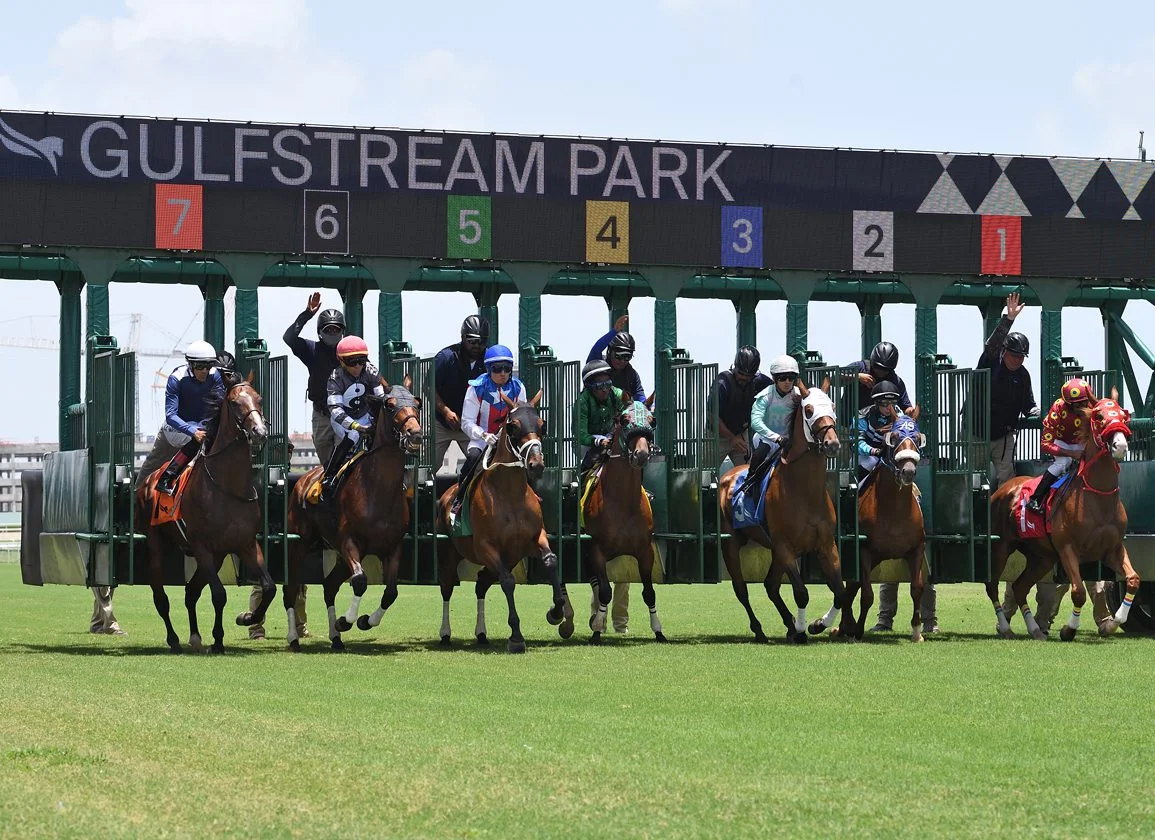
The Road to the 2026 Kentucky Derby does not begin in the chaos of March madness or the pressure cooker of April. It starts quietly, under the Florida sun, at Gulfstream Park. The Grade 3 Holy Bull Stakes is where serious Kentucky Derby betting value is created, long before the public wakes up. While casual fans chase flashy names later in the prep season, sharp bettors know the Holy Bull is the race that reshapes the 2026 Kentucky Derby Odds before they harden.
This is not a survival test like a winter slog up north. The Holy Bull is a clarity race. It strips away excuses and answers one brutal question early: can this three-year-old handle speed, pace pressure, and two turns against real competition? If you want to get ahead of the market, this is where the edge lives.

Gulfstream Park is one of the most bettor-friendly tracks in America, which is exactly why the Holy Bull matters. The surface is fast, consistent, and fair. Unlike winter tracks that distort figures and hide effort, Gulfstream exposes flaws immediately. If a horse cannot relax, cannot handle kickback, or cannot finish, the tape tells the truth.
That honesty is gold for Kentucky Derby betting. A strong Holy Bull performance translates cleanly to future races. Speed figures earned here hold up when horses ship to Tampa, Fair Grounds, or Keeneland. There is no guessing how much a track bias inflated or buried a number. What you see is what you get.
The mile-and-a-sixteenth distance is also critical. It is long enough to punish one-dimensional sprinters but short enough to reward tactical speed. Horses that succeed here often develop into serious Kentucky Derby contenders once distances stretch further. This is why the Holy Bull consistently produces runners who hit the board later in the season.
The Holy Bull favors a very specific type of horse. You want efficient speed, not raw speed. Horses that break cleanly, settle just off the pace, and finish without losing stride dominate this race historically. Deep closers rarely get the setup they need, and need-the-lead types get cooked.
This is where pedigree and trainer intent matter. Trainers like William Mott, Brad Cox, and Todd Pletcher do not bring half-built projects to the Holy Bull. If they enter, the horse is expected to perform now, not later. This race is often a deliberate fork in the road. Win or run well, and the Derby trail stays open. Fail, and plans quietly change.
From a betting perspective, this creates opportunity. The public often overvalues hype horses and underestimates professionalism. A horse that runs a composed second or third in the Holy Bull frequently offers more long-term value than the flashy winner.
The Holy Bull offers 20-10-6-4-2 Kentucky Derby qualifying points, which means the results matter immediately. A winner is not guaranteed a Derby gate, but they are firmly in control of their destiny. More importantly, the market reacts fast.
This is where smart players act. Horses exiting the Holy Bull often see dramatic odds movement after their next start, sometimes even without winning again. Why? Because the Holy Bull establishes credibility. A clean trip, strong finish, and solid figure here tells bettors the foundation is real.
Watch for horses that do the following:
These are the horses whose 2026 Kentucky Derby Odds collapse quietly, leaving late bettors chasing bad prices.
Holy Bull pace scenarios tend to be honest but demanding. Gulfstream does not forgive inefficiency. Horses that fight their riders early are done by the quarter pole. This creates value in horses that look “boring” on paper but run intelligently.
A mid-pack runner that advances smoothly while others begin to labor is often the most dangerous Derby type. These performances rarely pop visually but scream long-term upside. The public sees a clean fourth-place finish. Professionals see a horse begging for more distance and a stronger pace.
That disconnect is where futures value is born.
The worst time to bet Kentucky Derby futures is after the Florida Derby. By then, the market has priced everything correctly and removed upside. The Holy Bull is early enough to still offer mistakes.
If you identify a horse that runs well here and exits healthy, you can often secure futures odds that are double or triple what they will be six weeks later. Even if the horse never wins another prep, consistent board finishes can drive odds down purely on reliability.
This is portfolio betting, not hero betting. You are not trying to pick the Derby winner in February. You are acquiring assets before the market agrees with you.

The Holy Bull Stakes does not crown champions. It reveals structure. It tells you which horses can handle pace, pressure, and professionalism. It removes fantasy and replaces it with evidence.
For Kentucky Derby bettors, that is everything.
If you want to stay ahead of the 2026 Kentucky Derby betting market, stop chasing noise and start reading signals. The Holy Bull delivers them cleanly, early, and without excuses.
The odds are live. The value window is open. And once the Florida Derby arrives, it will already be too late.
Bet smart. Read the Holy Bull. Let everyone else catch up later.
The writing team at US Racing is comprised of both full-time and part-time contributors with expertise in various aspects of the Sport of Kings.